

This Repair Café took place from 11:00 AM to 3:00 PM at the Tzu Chi’s Northwest Region Office. Tzu Chi is a humanitarian organization whose members are Buddhist, but who do not preach to those they aid.
I worked first on a Panasonic toaster oven. It had 5 heating elements: 1 clear quartz element and 2 diffuse quartz elements on top, and 2 tubular elements on the bottom. The diffuse quartz element consisted of a nichrome wire in a translucent quartz tube, emitting IR at a longer wavelength and lower intensity than the clear element, which had a tungsten wire in a clear tube. The 2 tubular elements were connected in series; both were slightly bent, and one was broken (infinite resistance) and its sheathing was melted. One wire lead on the clear quartz element was snapped off where it entered the glass.
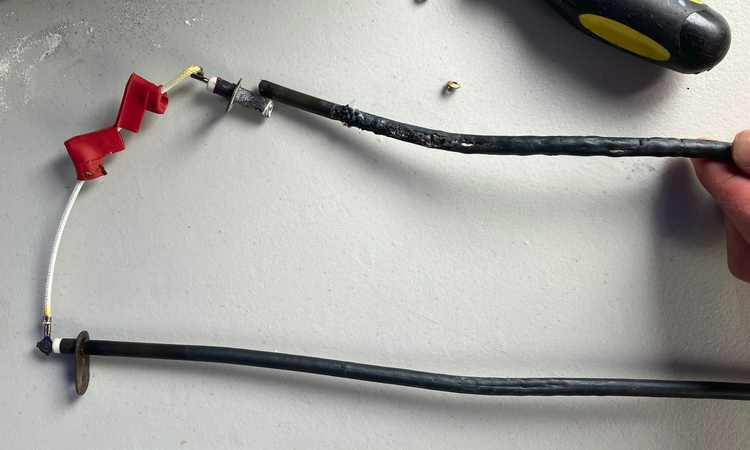
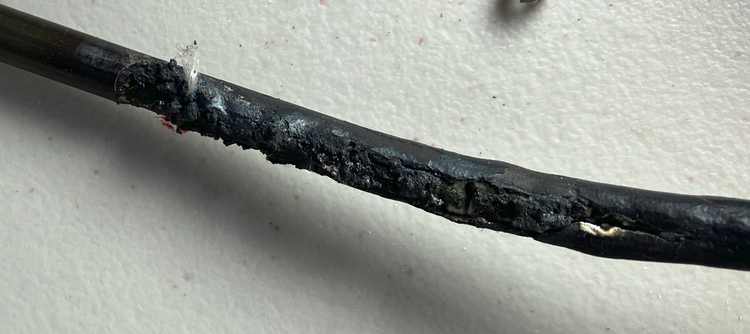
We determined that there was no good way of re-gaining the functionality of the one working tubular element, and that re-connecting the broken quartz element would be impractical or impossible. I ended up helping the customer chisel out the rivets holding the tubular elements in place, in preparation for a subsequent repair. We had to cut the melted element with bolt-cutters in order to remove it, since the melted section was deformed ad wouldn’t pass through the hole in the oven wall.
Since a lot of the repair items came from Taiwanese Tzu Chi volunteers, I got to work on two electric kettles. One of them was making poor contact, and required holding the switch down to make it work. The contacts were too far apart, so I removed the switch assembly from the kettle to bend the contacts closer together. On the other kettle, the center pin at the base connector was loose and not contacting the base properly. It was originally molded into some plastic, but had popped loose; I was able to melt it back in place by pushing it from the inside (after disassembly) with a soldering iron — kind of like installing a heat-set insert.
Another item was an Singer sewing machine, probably from the ’70s or ’80s, that was running very slowly. Its 80 W universal motor was drawing nearer to 100 W, and made a terrific screech when run under no load. I first checked the brushes, which were undamaged, and then lubricated the bushings with 3-in-1 oil. After this the machine ran a little better, but still too slowly, so I removed the top cover and oiled the bearings, cams, and gears with the same oil. To finally get the sewing machine running at full speed (at least — based on my intuition of “full speed” based on a machine I have at home), I also had to play around with the V-belt tension; setting it too tight created too much friction in the bearings, whereas setting it too loose caused it to slip.
Finally, I worked on an espresso machine with a broken grinder. The grinder was driven by a universal motor under high gear reduction. Despite the ball detent torque-limiting clutch, the grinder had become overloaded, and a 5-tooth stainless steel pinion shredded its mating POM gear. This is apparently not an uncommon problem, with numerous replacement options sold online. The customer said they’d most likely opt to replace the whole assembly.
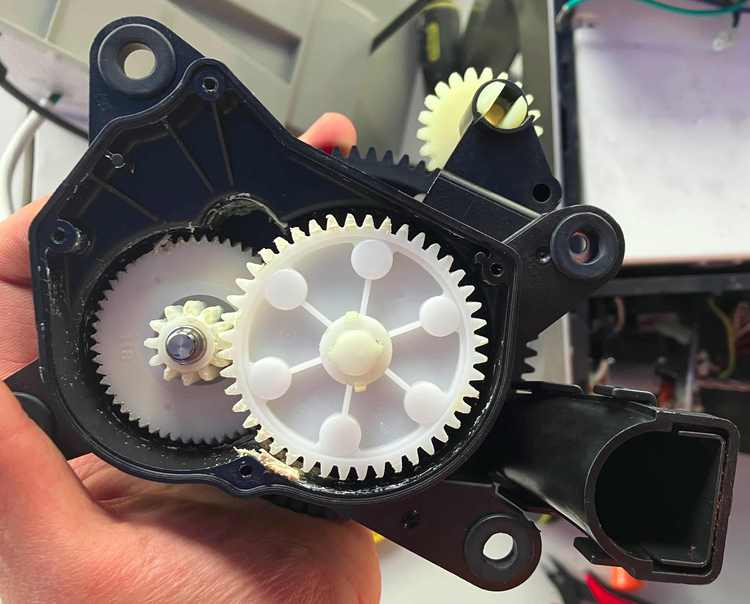
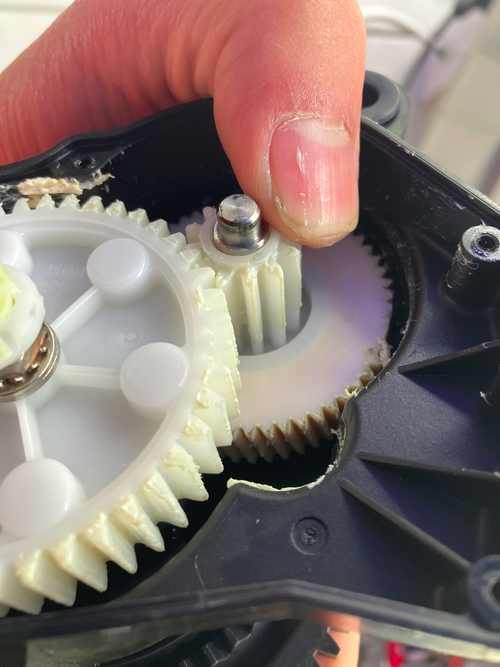
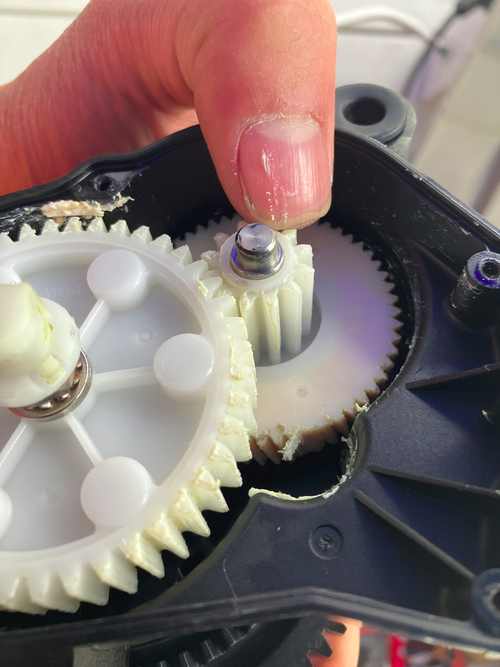
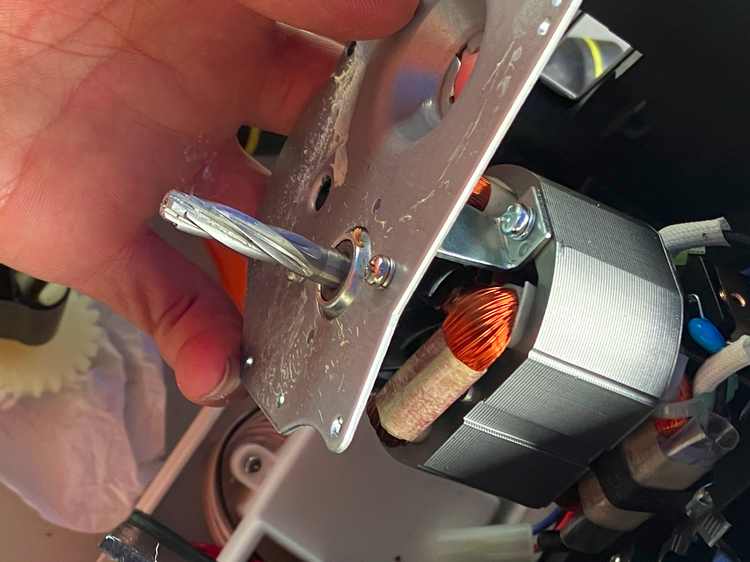
The coffee machine was, of course, a pain to disassemble. After this event I can say: I am grateful for having been born into the tea-drinking part of the world population. Having seen several electric kettles and coffee makers at Repair Café, I know which I’d rather repair!