Category: Random Projects
Random projects that I do to improve my life, try out an interesting new technology, learn a new skill, etc.
-

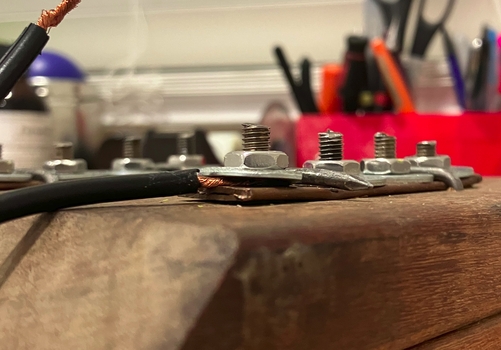
Line AC power is a lot more dangerous than low-voltage DC power. As such, it requires different methods of connecting wires together temporarily. For example, you can use the same wire nuts used for permanent connections, though it’s not particularly fast or repeatable. You could just twist the wires together, but just because you can do something, it doesn’t mean you should. A modest step up in safety is wrapping the twisted wires in electrical tape, but that’s not particularly convenient or safe. You can use things like crocodile clips, but I didn’t have any on hand and many are…
-

This is the disassembly of a Yale Assure Smart Lock. The outside part (called, according to Yale, the “Touchscreen Escutcheon”) basically consists of a touchscreen interface and a traditional cylinder lock. A metal plate with a keyhole mounting hole (that’s the hole shaped like a keyhole; it has nothing to do with keys), which is possibly an alternative method of mounting the lock, covers the screen mounting bracket. After it is removed, the screws holding the plastic bracket that holds the touchscreen can be undone. Another plastic piece holds the screen cable in place, and a metal bracket secures the…
-
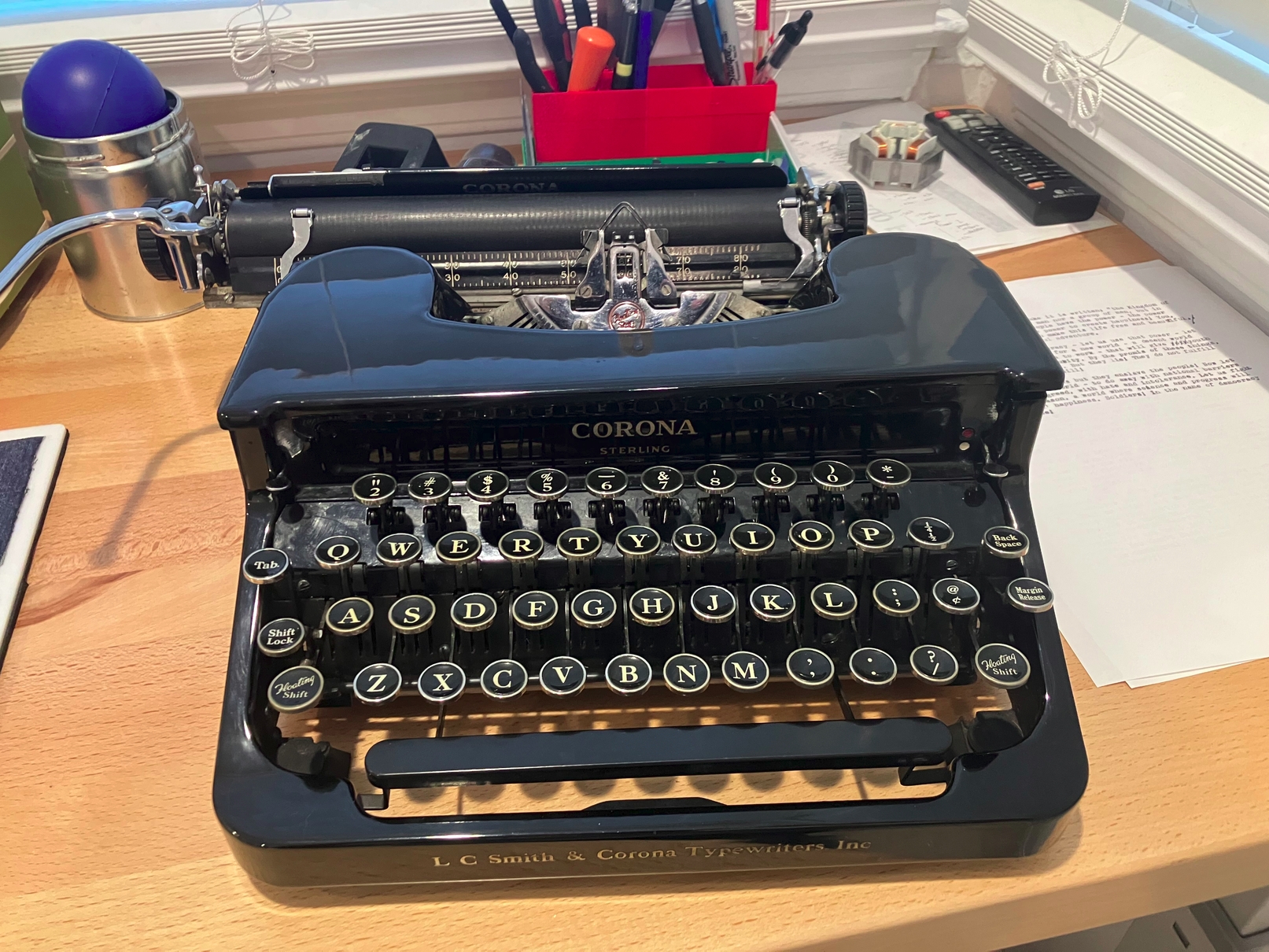
During the COVID-19 pandemic, with a lot of spare time on hand, I took up the hobby of manual typewriter restoration. It’s really not a difficult task: typewriters are generally very well built and aside from being dusty and gummed up, most manual typewriters for sale today are still in perfect working order, despite being over half a century old. How It’s Done When restoring typewriters, the first thing to do is to find out your typewriter model. If you are lucky enough, it is written on the typewriter itself, and if not, then you can scroll through the Typewriter…
-

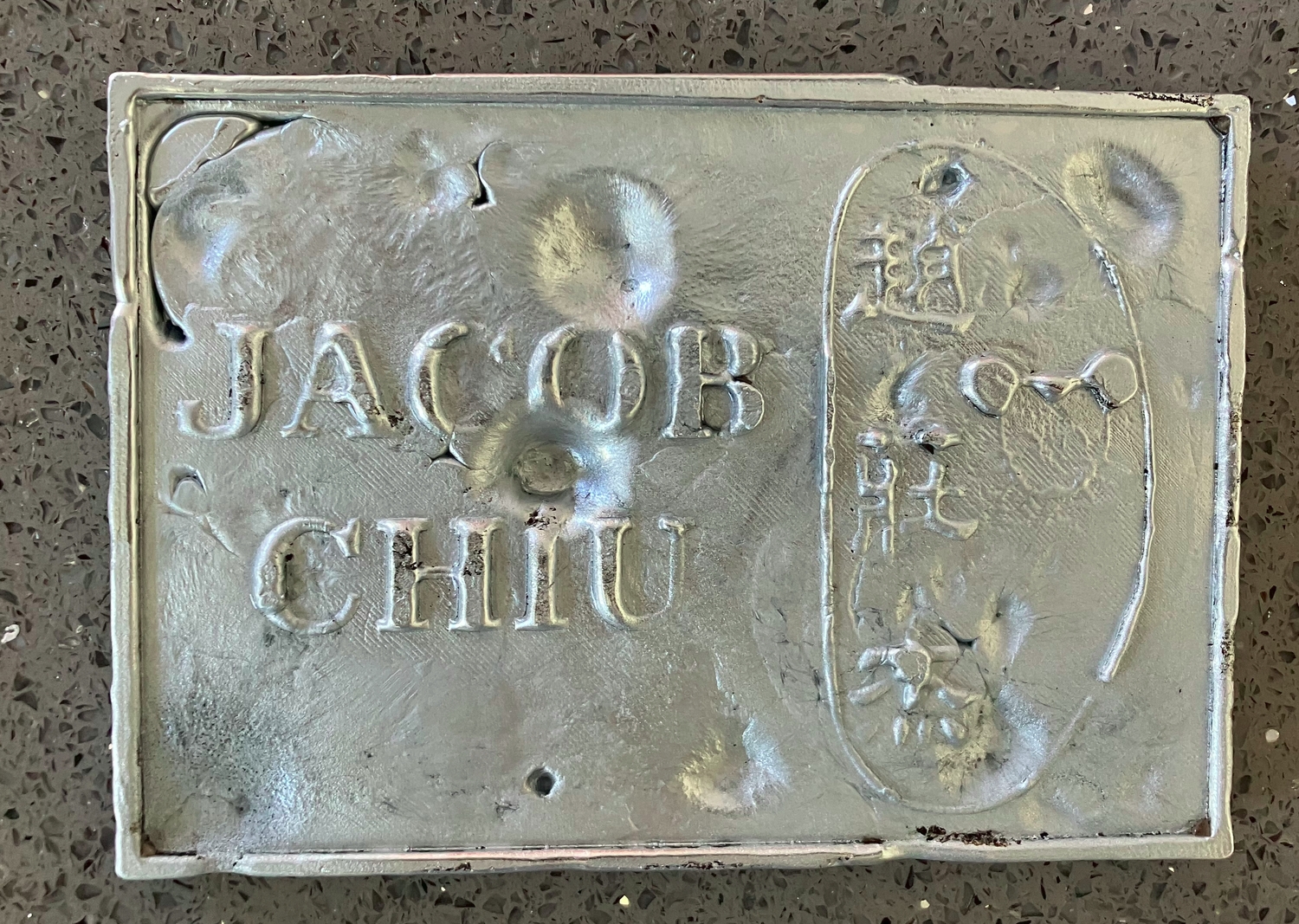
Disclaimer The methods described in this post worked for me. There are many factors that affect whether or not any of this may work for you, but two big ones are weather and soil conditions. Here in Palo Alto, we have clay soil and the weather is hot and dry, at least in the summer. The molds that I’m making are one-part molds, which tend to be simpler, but these methods probably apply to two-part molds as well. Also, I am casting with zinc, a low-temperature, runny metal that takes well to casting. Also, a note about safety: although zinc…