-

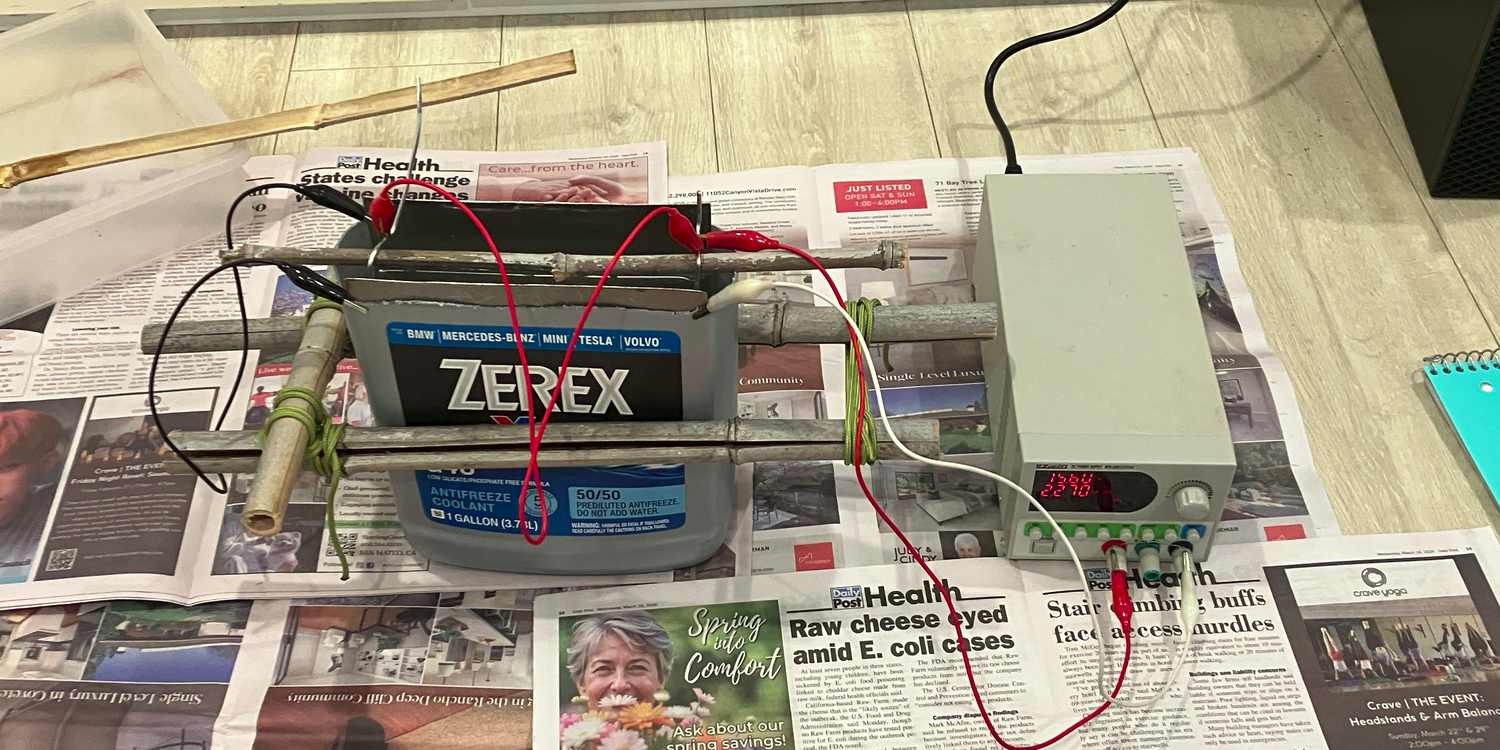
Summary I wanted to anodize aluminium parts at home, using a sodium bisulfate electrolyte An appropriate anodizing current density was found by experimentation An easy and effective way of racking parts was devised Cooling was found necessary during the anodization of high-surface-area parts Electrolyte acidity was measured by titration The anodized parts were dyed and sealed Introduction I’d previously done some experiments trying to anodize aluminium with household chemicals, avoiding the need to buy sulfuric acid. The only process that succeeded was to make sulfuric acid by the electrolysis of Epsom salt (magnesium sulfate) in a partitioned electrochemical cell, …
-

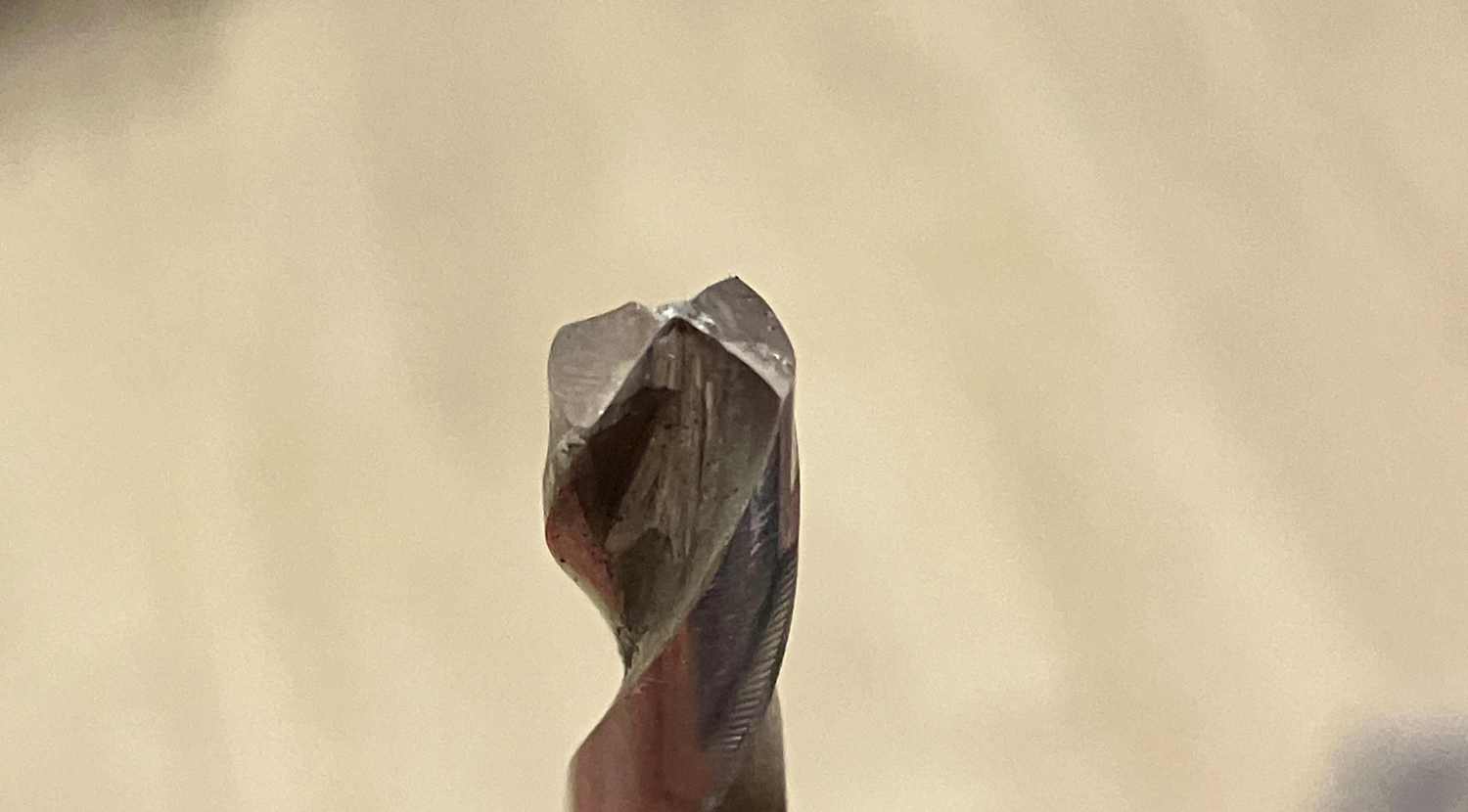
With only a center punch and drill press, it can be very difficult to drill small, straight holes. Though medium-sized drills can self-center parts by shifting them around till the center-punch mark is exactly aligned with the spindle, smaller drills tend to just deflect and drill an angled hole. To overcome this, a short, stiff “spot drill” is used before drilling to create a new divot, exactly aligned with the spindle, obliterating the old center-punch divot and taking out any misalignment it might have had. Locating large holes accurately can also be difficult, since the large chisel-shaped tip of the…
-

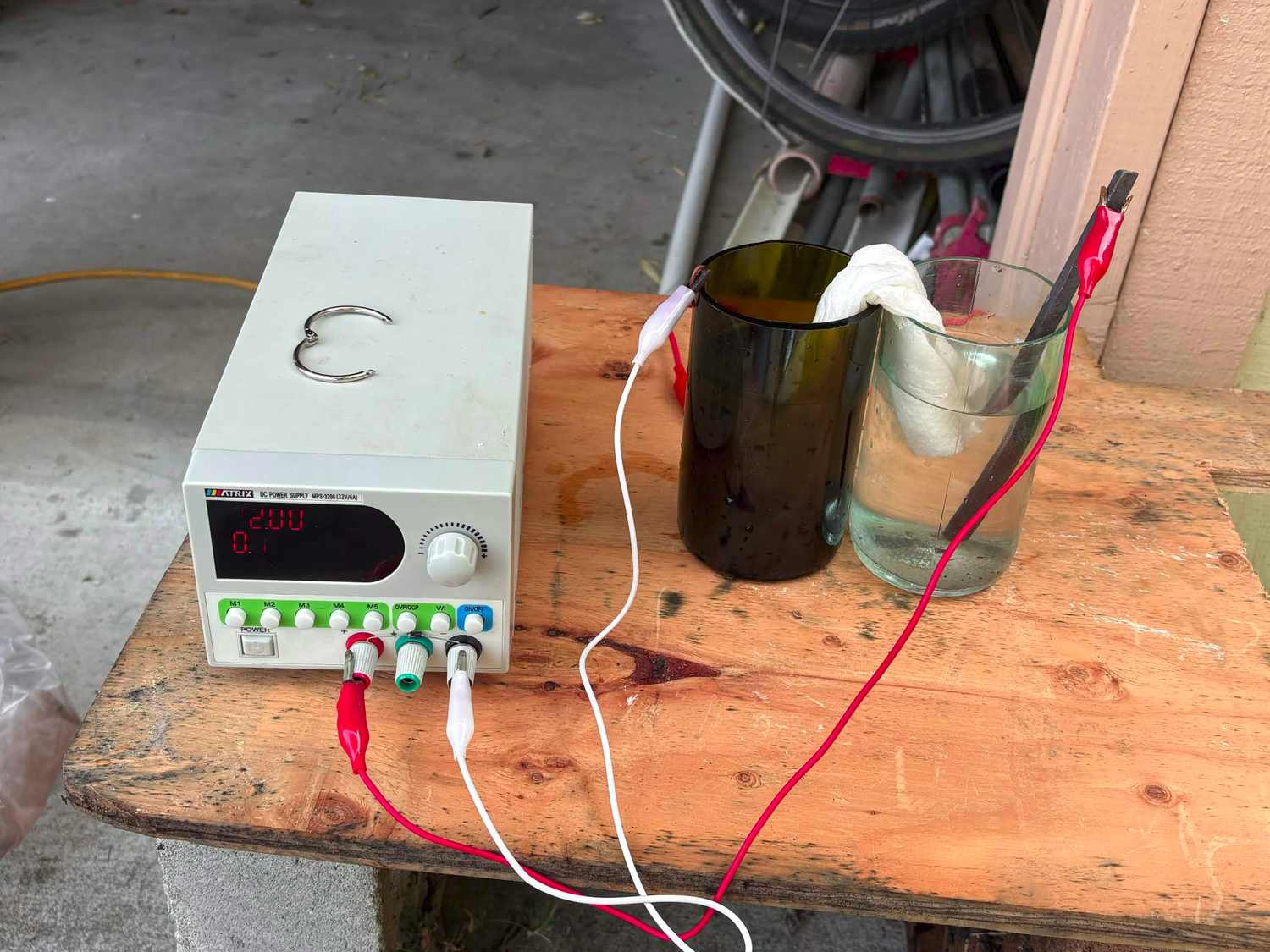
In Which I Am Nerd Sniped Some time in late 2024, I overheard a classmate talking about anodizing aluminium, for the purpose of laser-engraving it. They were interested in how it might be done at home. I understood the concept — using electricity to grow a thick oxide layer — and I wondered if it could be done with household chemicals. Of course, I had to try it myself, so I pursued the project on and off for the next few months. Introduction Aluminium is an incredibly reactive metal, but its oxide is inert and durable. The thin layer of…
-

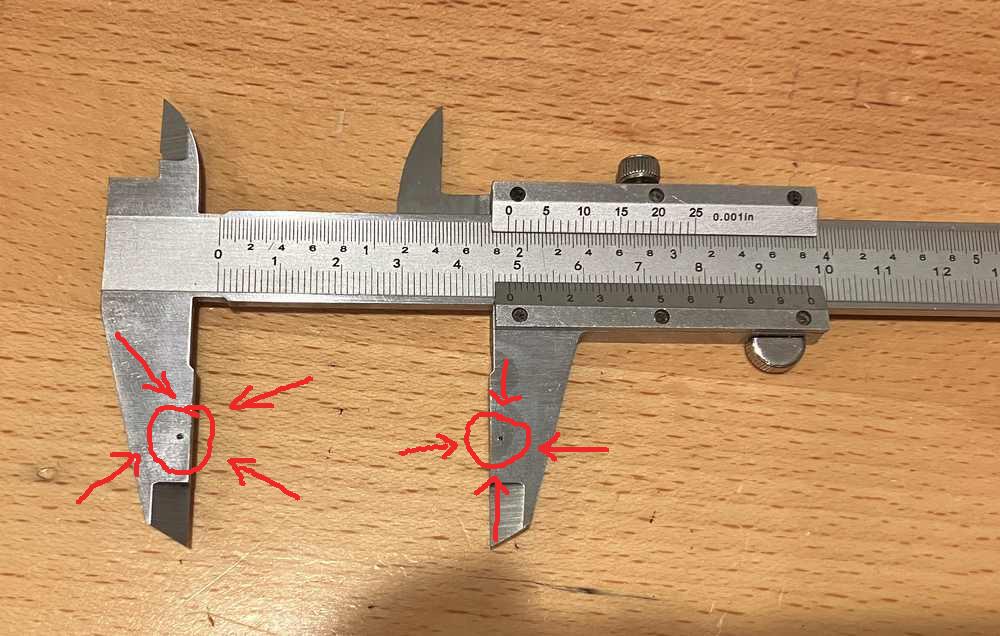
“The Vernier Caliper… may be used for accurate settings of dividers and trammels. Near the zero mark on the beam is a tiny indentation in the center of a small circle, and on the sliding jaw is another small cone-shaped mark. Set the vernier to the dimension required and then adjust the points of the dividers or trammels, by “feel” or with the aid of an eyeglass, exactly in the two marks.” — Machine Tool Operation, Part I, Fourth Edition, by Burghardt and Axelrod Unfortunately, not many vernier calipers today retain this feature, since the manual lay-out (i.e. scribing …
-

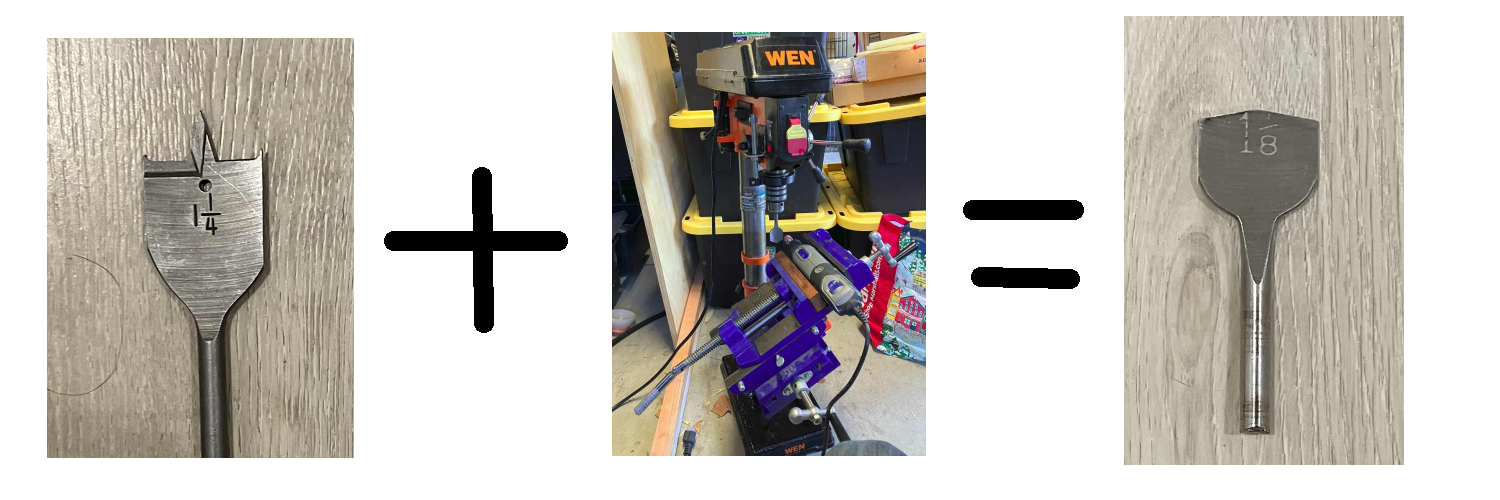
Summary By mounting a rotary tool in a cross slide vise, I was able to accurately grind tools in a drill press This setup was used to grind a spade drill into a shape suitable for drilling metal The setup was used to grind a counterbore Introduction Though most metal-cutting tools can nowadays be bought, there are still occasions when it’s more practical for a machinist to make their own tools. In some cases, the tool can be ground freehand on a bench-grinder, like a single-point lathe tool. For other tools, like drill bits and endmills, more precision is needed,…
-
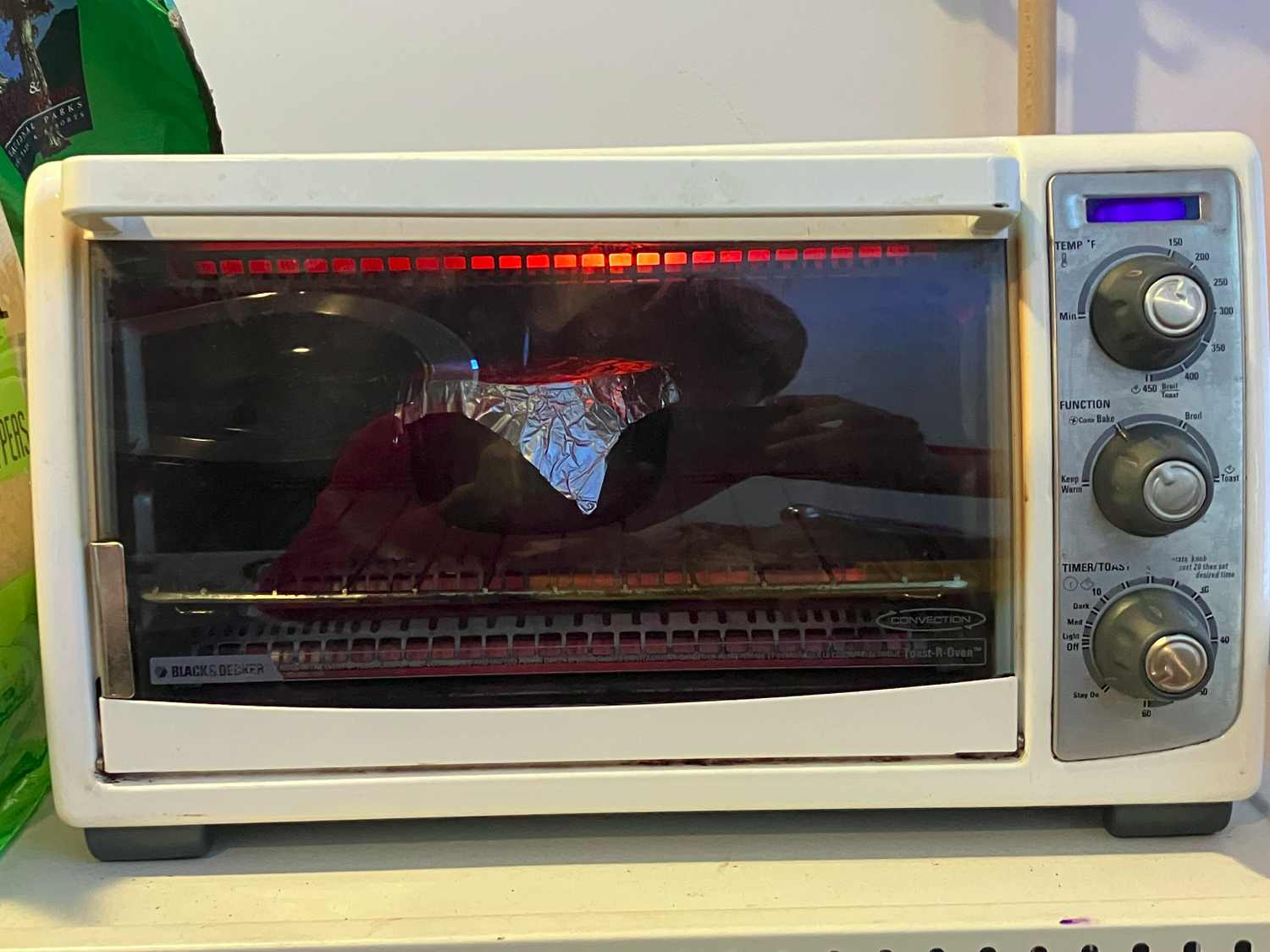
When a piece of dried clay is heated sufficiently, the water that is chemically bound to it is irreversibly driven off, and the clay particles bond covalently to each other. After this, the clay will no longer return to the plastic state if it gets wet. As it turns out, the temperature needed to dehydrate clays can be significantly lower than their firing temperature. According to this paper, it is between 400 °C and 600 °C for kaolins, but even lower for smectites — from 200 °C to 300 °C. Since the clay from my backyard is smectic, I was…
-
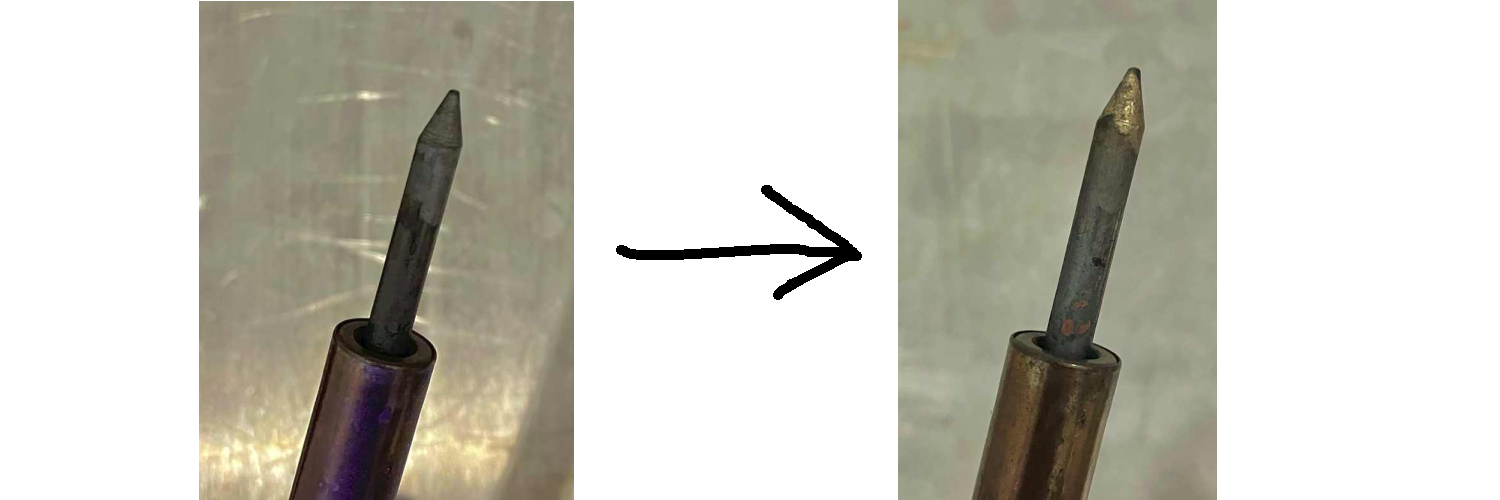
A common flux in soldering is zinc chloride solution. It is supposedly quite effective, though its corrosiveness makes it unsuitable for electronics. I tried using it as a tip cleaner for soldering irons that had oxidized to the point where they couldn’t be tinned with rosin-core solder. Zinc chloride (ZnCl2) is easy to make by yourself by dissolving zinc (Zn) in a jar of muriatic acid (HCl, 10M). The reaction was very vigorous for the first few minutes; the glass jar got noticeably warm, and steam came out of the jar. After a few hours I could still …
-

A problem I have struggled with in sand casting is mold tear-out. Even in patterns with generous draft angles, the sand very often gets torn out when the pattern is removed. Although charts of green sand mechanical properties versus moisture content, fineness, composition, etc. are available (for example in the US Navy’s Foundry Manual), the sand that I use is a bit different from industrial foundry sands in that it is much coarser, but has a higher proportion of binder, which is just clay soil from my backyard. I suspected that the binder may have been causing excessive pattern …
-

This Repair Café was held at the Museum of American Heritage from 11:00 AM to 3:00 PM, though I only stayed till 2:30. The first thing I worked on was an electric fly swatter whose battery wires had broken off, causing the owner to use it while it was plugged in to a charger (I’d assume some portable charger). At some point, the charger wire had gotten snagged and pulled the Micro USB charging port out with it. I looked for an old PCB with a charging port to salvage, but could not find one, so I decided (with the…
-

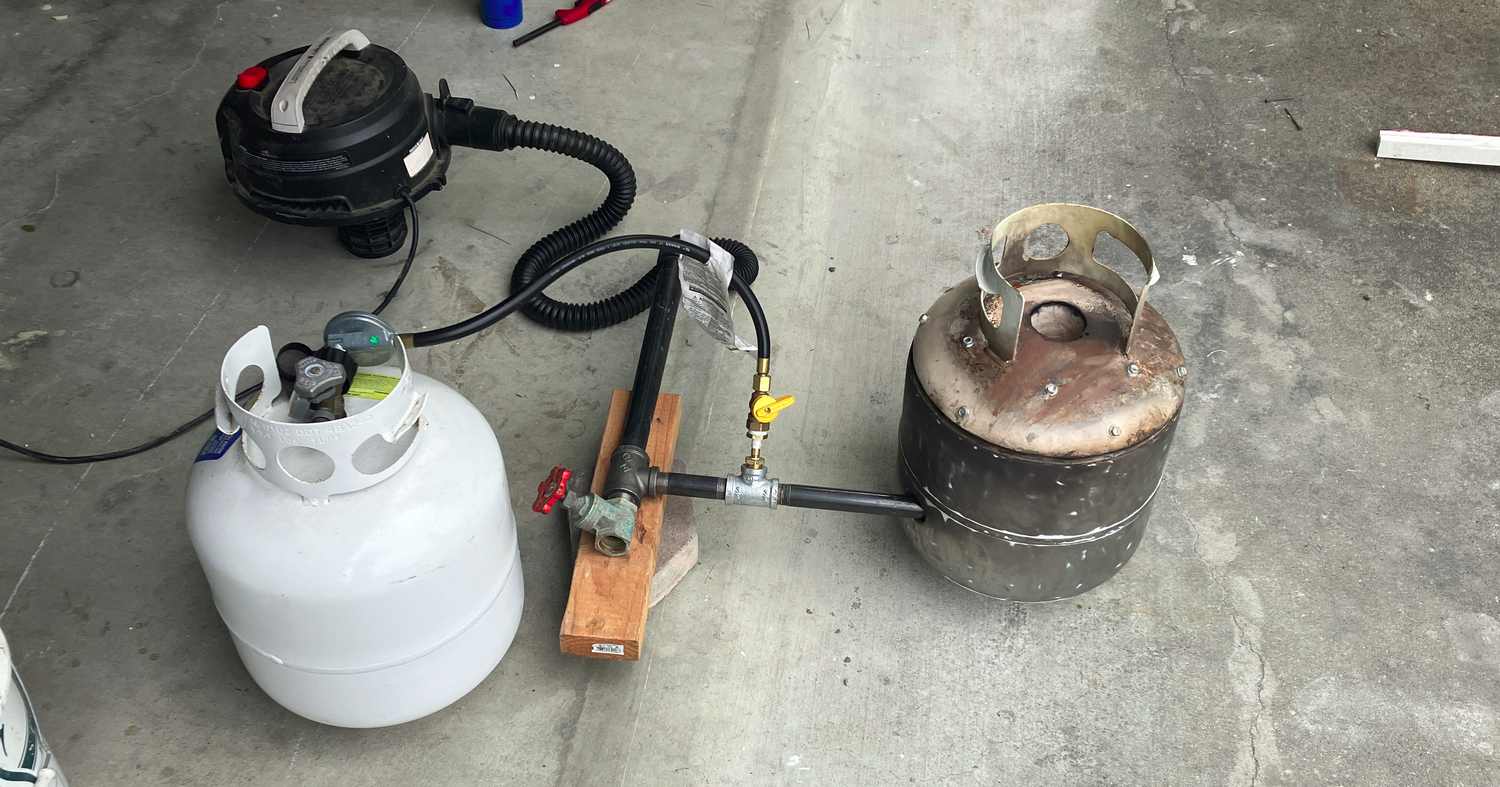
Summary I made a propane-fired furnace for melting metal The shell was made from an old propane tank The lining was a mixture of sand, fireclay, and sawdust The lining was fired in-place using the furnace’s propane burner Introduction For the last year or so, I’ve been teaching myself sand casting. My metal of choice up until now has been zinc, because it is cheap and melts easily on a stove. I even built myself an electric stove out of an old air-fryer lid for melting zinc. So far, this has worked pretty well; the stove melts small amounts of…