-

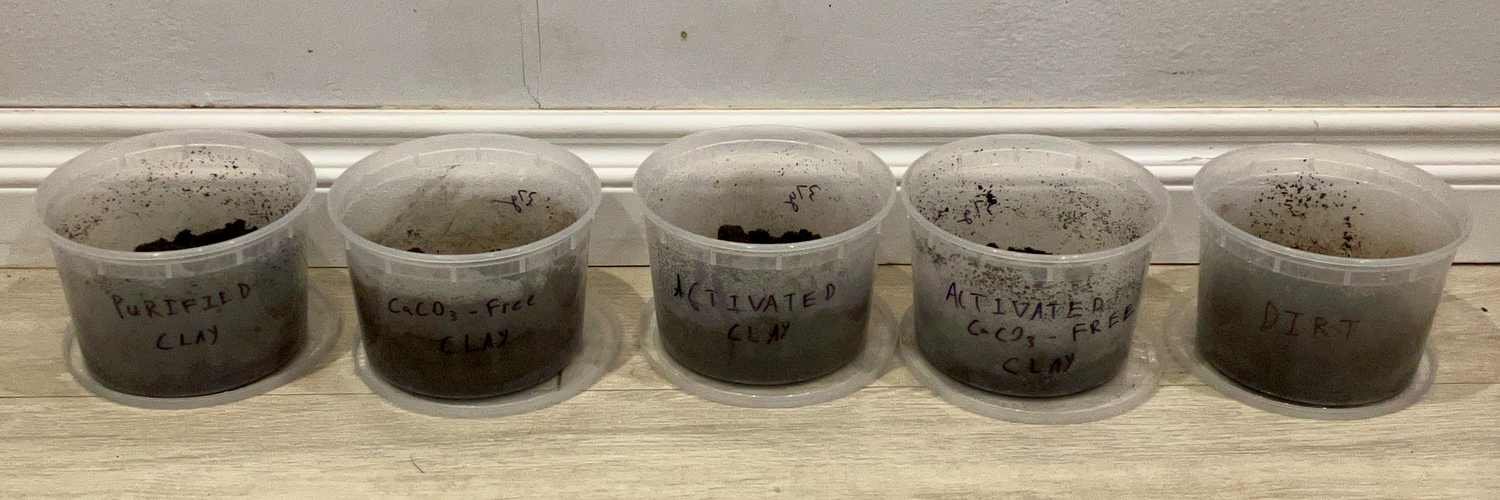
Summary I treated backyard clay by: purifying it to remove sand and silt, dissolving its calcium carbonate content in vinegar, and activating it with sodium carbonate. The treated and untreated clays were combined with sand to make greensands, and then their mechanical properties were tested. I found that removing calcium carbonate had little effect on on greensand properties, but that soda activation caused a significant improvement in both tensile strength and shatter index. Introduction In my ongoing attempts to improve my DIY greensand, particularly its strength and plasticity, I’ve been trying to find a better clay to bond the …
-

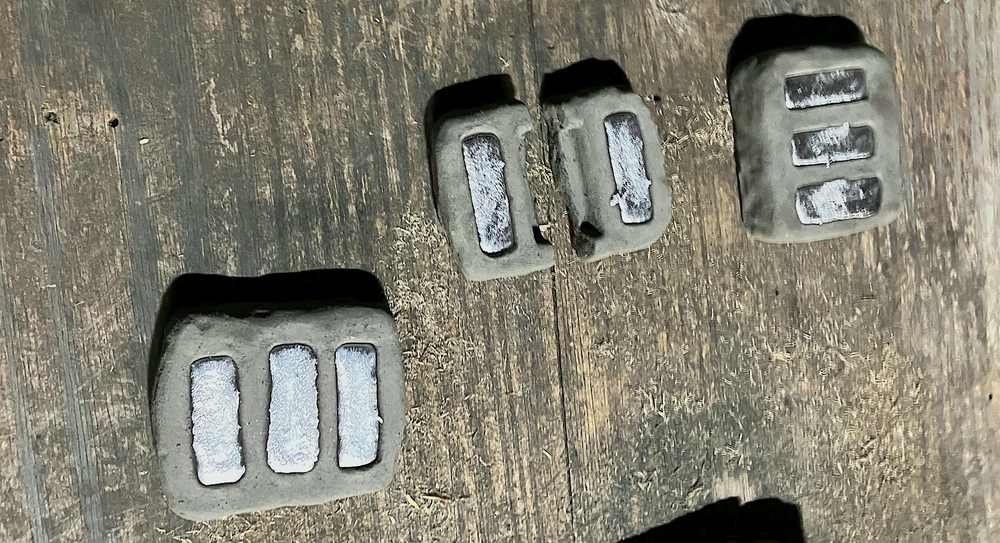
Summary A very good material for making ingot molds is a 2:1 mixture of sand and clay This preparation is inexpensive, heat-resistant, does not require firing, and can be recycled Molds are formed by pressing 3D-printed patterns into a block of sand-clay Material In a blog post from 2 years ago, I wrote that “I simply mixed dirt with enough sand to prevent cracking and formed it into very simple molds that by virtue of their porosity were really temperature-resistant.” Since then I’ve done some more experimentation, and found that for rough molds, like those for ingots, the ideal …
-

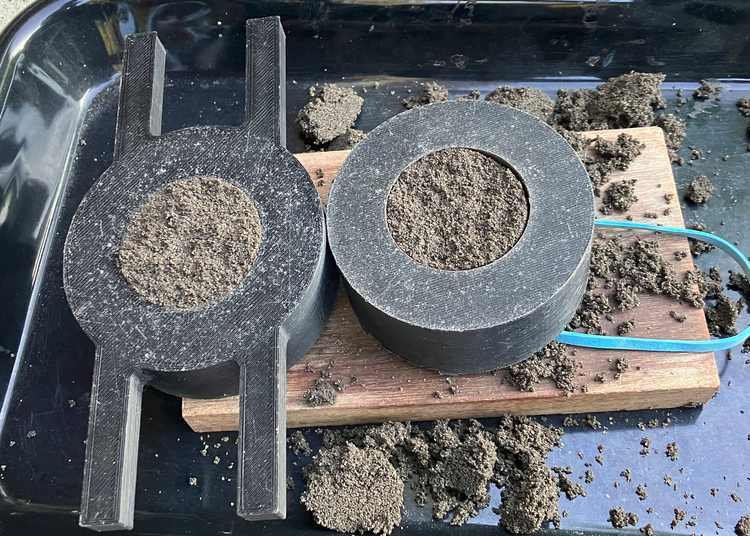
Summary I performed various tests on my DIY greensand, both to evaluate the tests’ reliability, and also the sand’s characteristics A microscope showed that my sand was angular and had a wide range of particle sizes The tensile strength test showed my sand was much weaker than industrially-used greensands. After refining my procedure, I was able to get moderately reliable results The compactability test showed that my sand had a higher unrammed density than industry sands, and gave very reliable results. The shatter test showed that my sand was about as tough as industrial sands, and gave reliable results. Introduction…
-

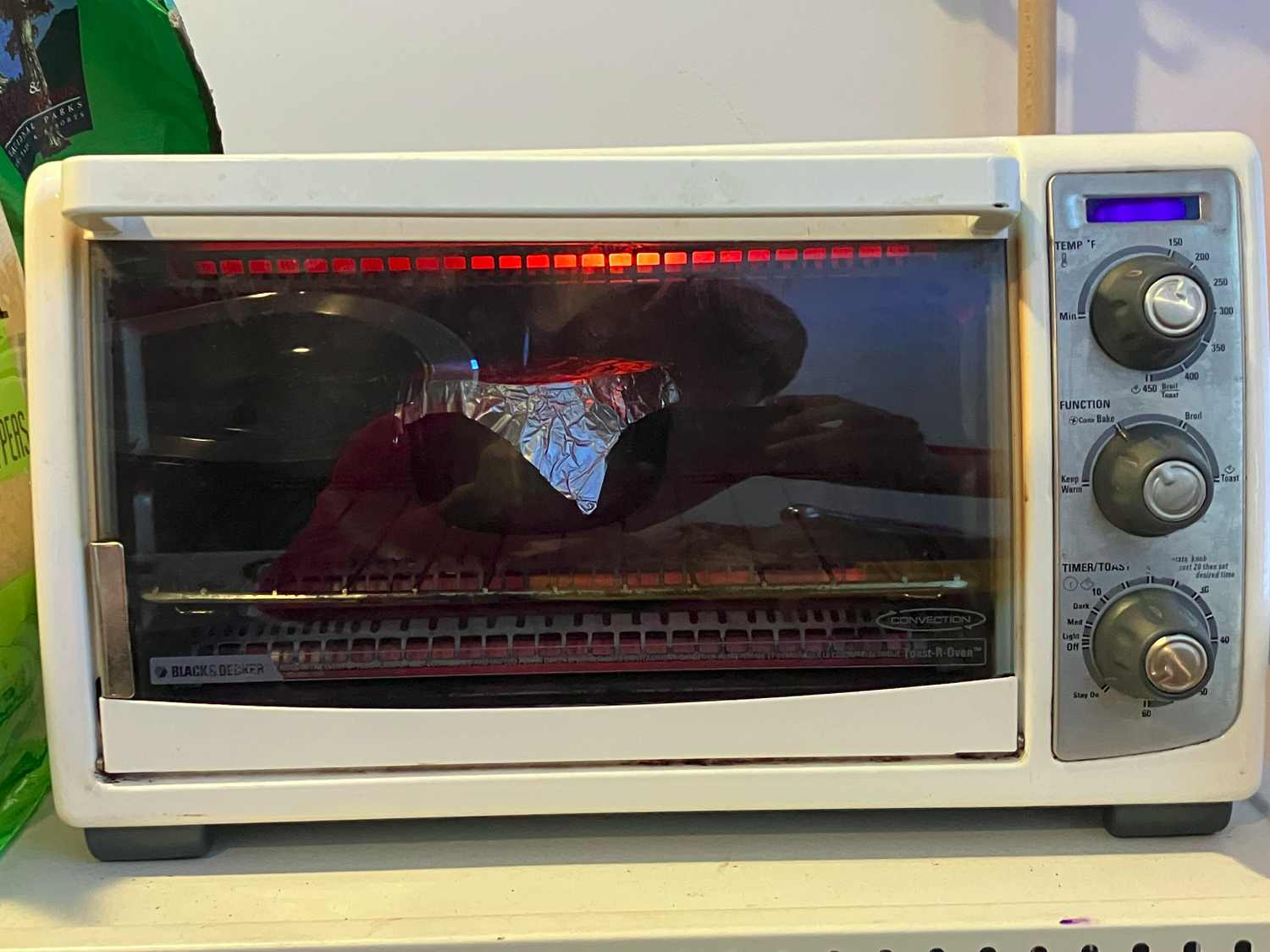
When a piece of dried clay is heated sufficiently, the water that is chemically bound to it is irreversibly driven off, and the clay particles bond covalently to each other. After this, the clay will no longer return to the plastic state if it gets wet. As it turns out, the temperature needed to dehydrate clays can be significantly lower than their firing temperature. According to this paper, it is between 400 °C and 600 °C for kaolins, but even lower for smectites — from 200 °C to 300 °C. Since the clay from my backyard is smectic, I was…
-

A problem I have struggled with in sand casting is mold tear-out. Even in patterns with generous draft angles, the sand very often gets torn out when the pattern is removed. Although charts of green sand mechanical properties versus moisture content, fineness, composition, etc. are available (for example in the US Navy’s Foundry Manual), the sand that I use is a bit different from industrial foundry sands in that it is much coarser, but has a higher proportion of binder, which is just clay soil from my backyard. I suspected that the binder may have been causing excessive pattern …
-

Summary I made a propane-fired furnace for melting metal The shell was made from an old propane tank The lining was a mixture of sand, fireclay, and sawdust The lining was fired in-place using the furnace’s propane burner Introduction For the last year or so, I’ve been teaching myself sand casting. My metal of choice up until now has been zinc, because it is cheap and melts easily on a stove. I even built myself an electric stove out of an old air-fryer lid for melting zinc. So far, this has worked pretty well; the stove melts small amounts of…
-

Sand-cast parts commonly have internal geometries (ex. holes) that are produced with cores, internal molds made of bonded sand that are inserted into the main mold. The Theory I found an excellent book of practical sand casting information in the 1958 US Navy Foundry Manual. Cores are usually only supported by the mold at a few points, so they must be quite strong to withstand their own weight, as well as the buoyant forces produced when they are submerged in molten metal. For this reason they are made of a bonded sand different from normal molding sand. Typically, oil is…
-
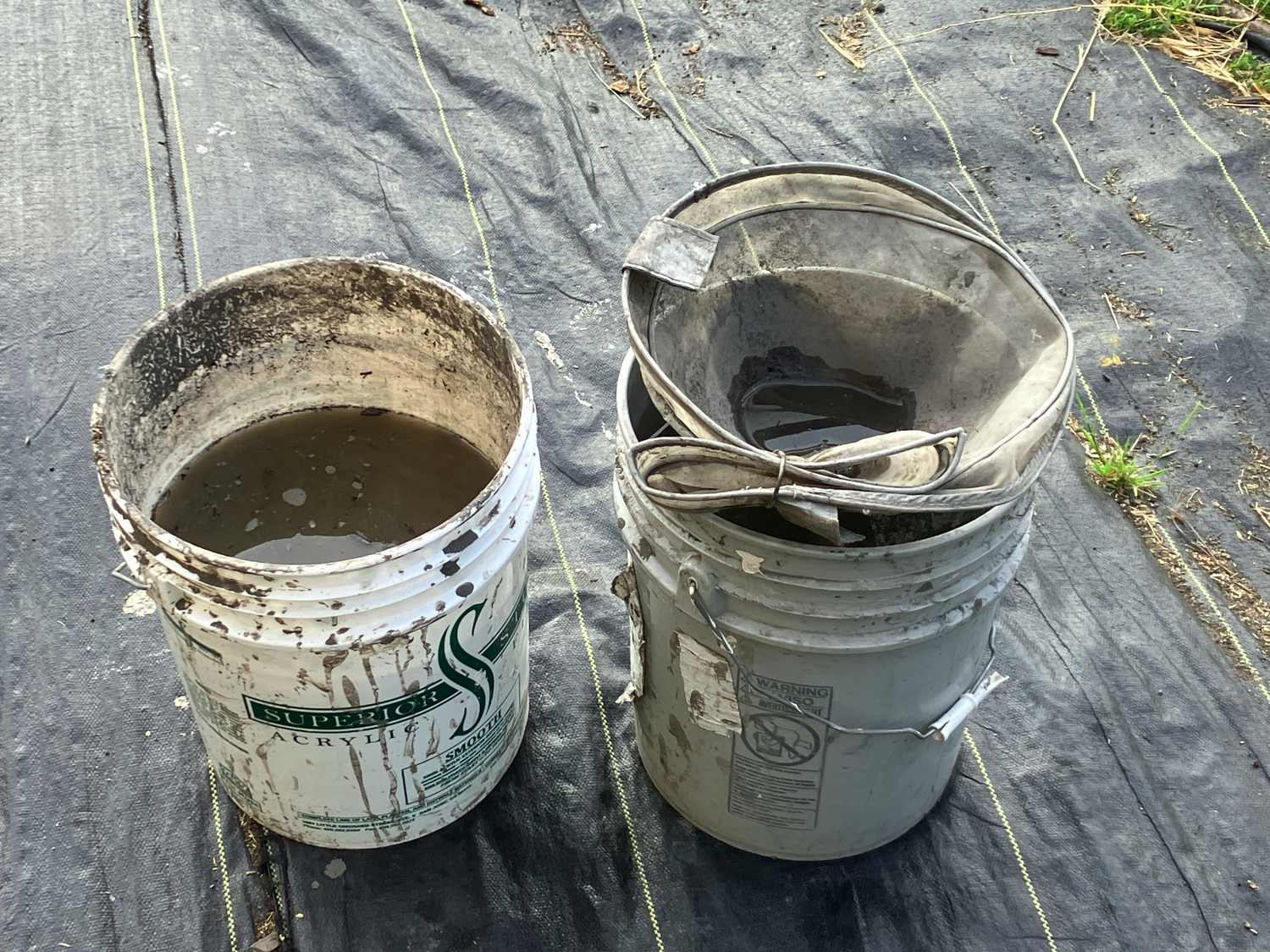
In this blog post, I detailed several ways of using backyard clay. The method that produced the best results was levigation, in which clay was suspended in water while impurities floated to the top or settled out. The clay-water was poured off and allowed to settle for a long time, after which the water was poured off from the settled clay. My mistake was severely underestimating the amount of clay that can be suspended in water. I initially thought that it worked something like the dissolution of ionic compounds, where clay particles go into suspension until the water can hold…
-

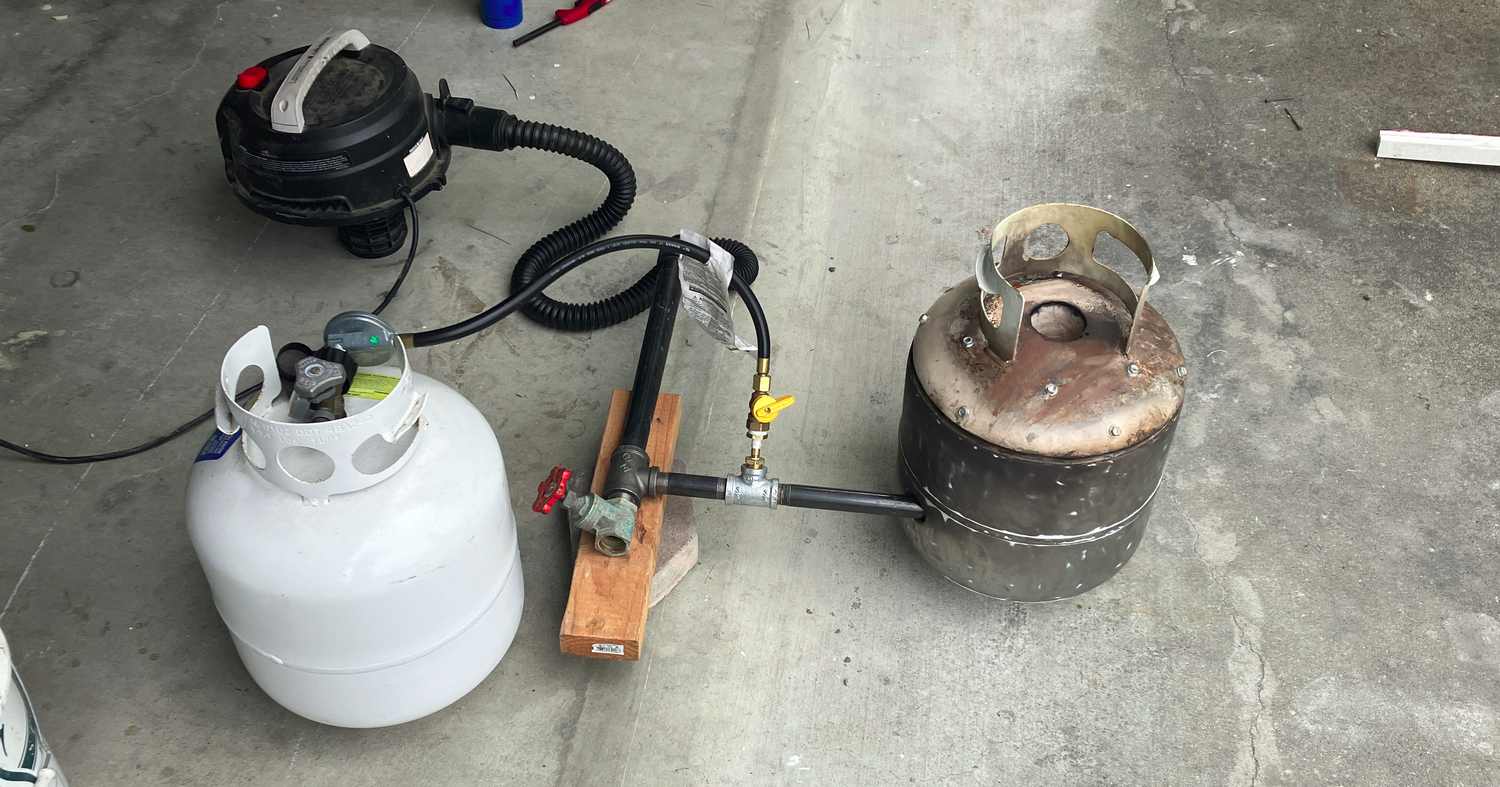
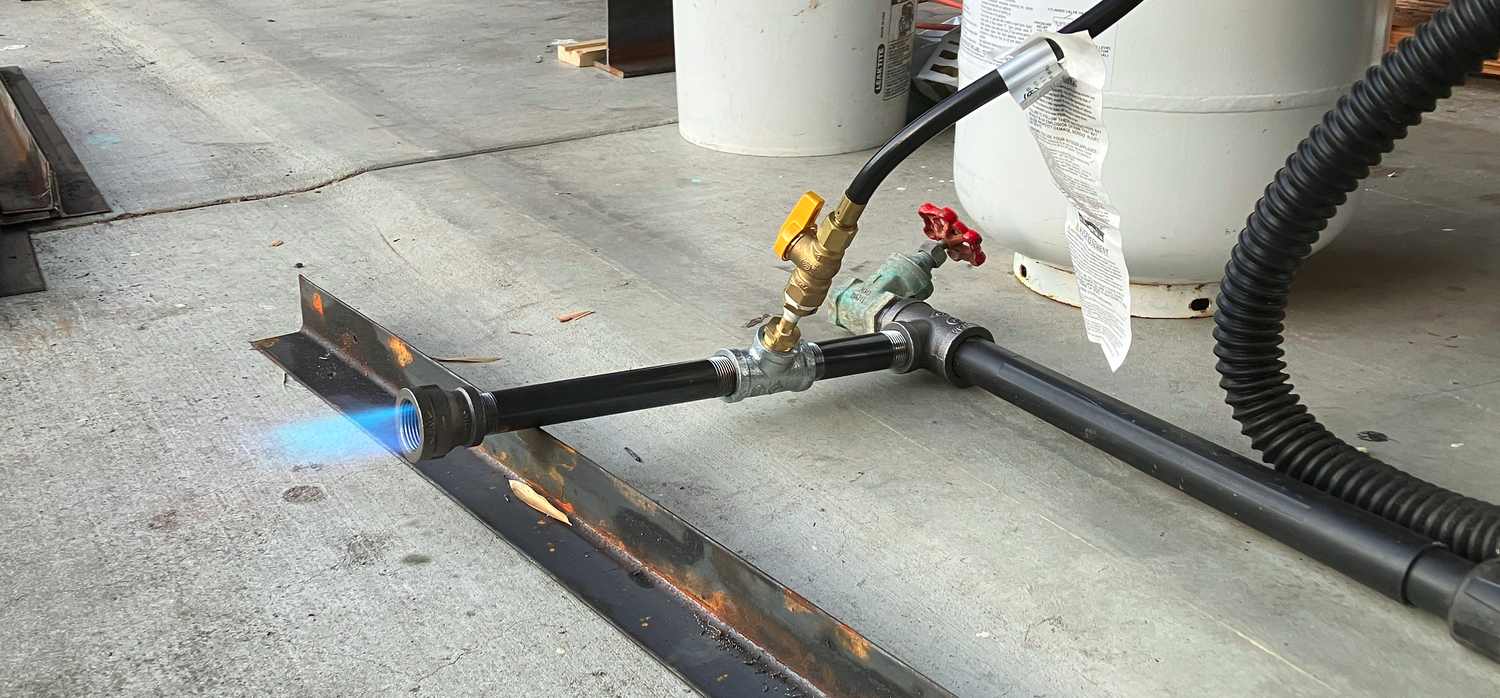
Introduction I’m trying to get better at casting, and this involves building a proper furnace to melt metals like aluminium and copper instead of just ones that can melt on a stovetop, like zinc. This mainly involves two things: the furnace’s body, and a burner. There are a few different types of burners that are used by hobbyists, and the most common are solid fuel, propane, and oil. Solid fuel furnaces are very easy to make, but don’t get very hot and are expensive to run. Propane burners are a bit harder to make, less expensive to run, and get…
-

I made a gyroscope. Part of that involved casting 12 zinc weights to go around the rim of its rotor, which gave me a lot of practice ramming and pouring molds, and I learned a lot. Firstly, for my extremely rudimentary dirt-bonded sand, the right moisture level is just enough to turn the sand noticeably dark, indicating that the clay is fully wetted with water, but not so much that it sticks to the rammer. While many hobbyists on the internet recommended using a peen-shaped rammer to better compact the sand, I found it easier to simply ram the …

Tag: Casting
Learning how to cast metal.