-

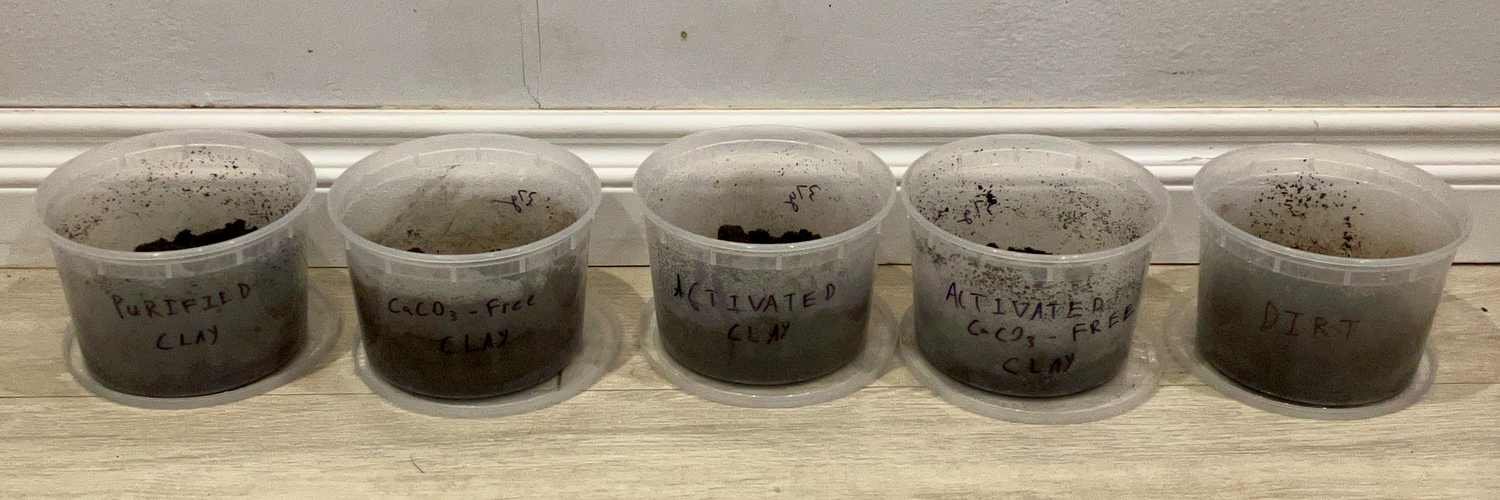
Summary I treated backyard clay by: purifying it to remove sand and silt, dissolving its calcium carbonate content in vinegar, and activating it with sodium carbonate. The treated and untreated clays were combined with sand to make greensands, and then their mechanical properties were tested. I found that removing calcium carbonate had little effect on on greensand properties, but that soda activation caused a significant improvement in both tensile strength and shatter index. Introduction In my ongoing attempts to improve my DIY greensand, particularly its strength and plasticity, I’ve been trying to find a better clay to bond the …
-

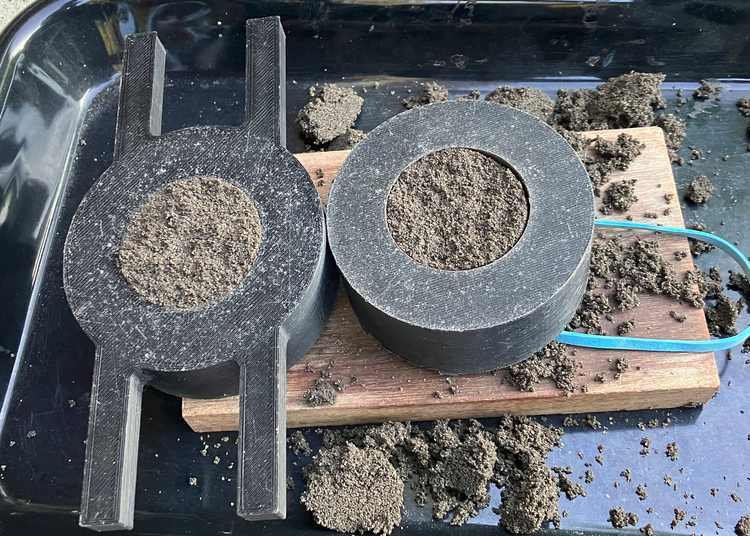
Summary I performed various tests on my DIY greensand, both to evaluate the tests’ reliability, and also the sand’s characteristics A microscope showed that my sand was angular and had a wide range of particle sizes The tensile strength test showed my sand was much weaker than industrially-used greensands. After refining my procedure, I was able to get moderately reliable results The compactability test showed that my sand had a higher unrammed density than industry sands, and gave very reliable results. The shatter test showed that my sand was about as tough as industrial sands, and gave reliable results. Introduction…
-

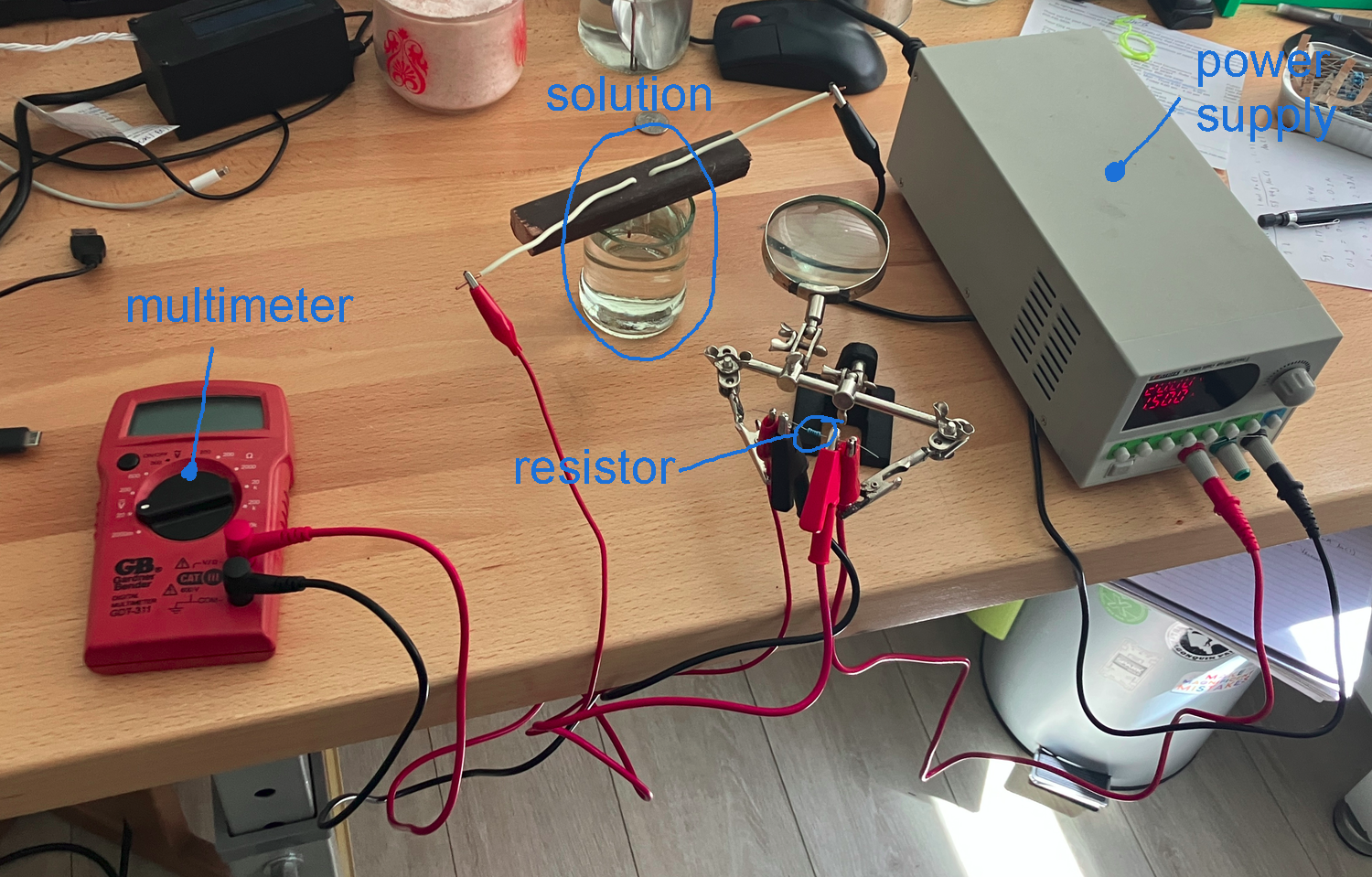
Abstract My goal was to measure the resistance of a dilute solution using tools available to me, and relate it to the solution’s concentration. A resistor was wired in series with the solution, and a DC power supply and a multimeter were used to measure the relative changes in input voltage and voltage across the resistor. This allowed the solution’s resistance to be calculated. I found a strong linear relationship between calculated resistance, and solution concentration. Introduction I was recently doing some more experiments with clay, which involved rinsing dissolved salts from a clay-water slurry. I wanted some way of…
-

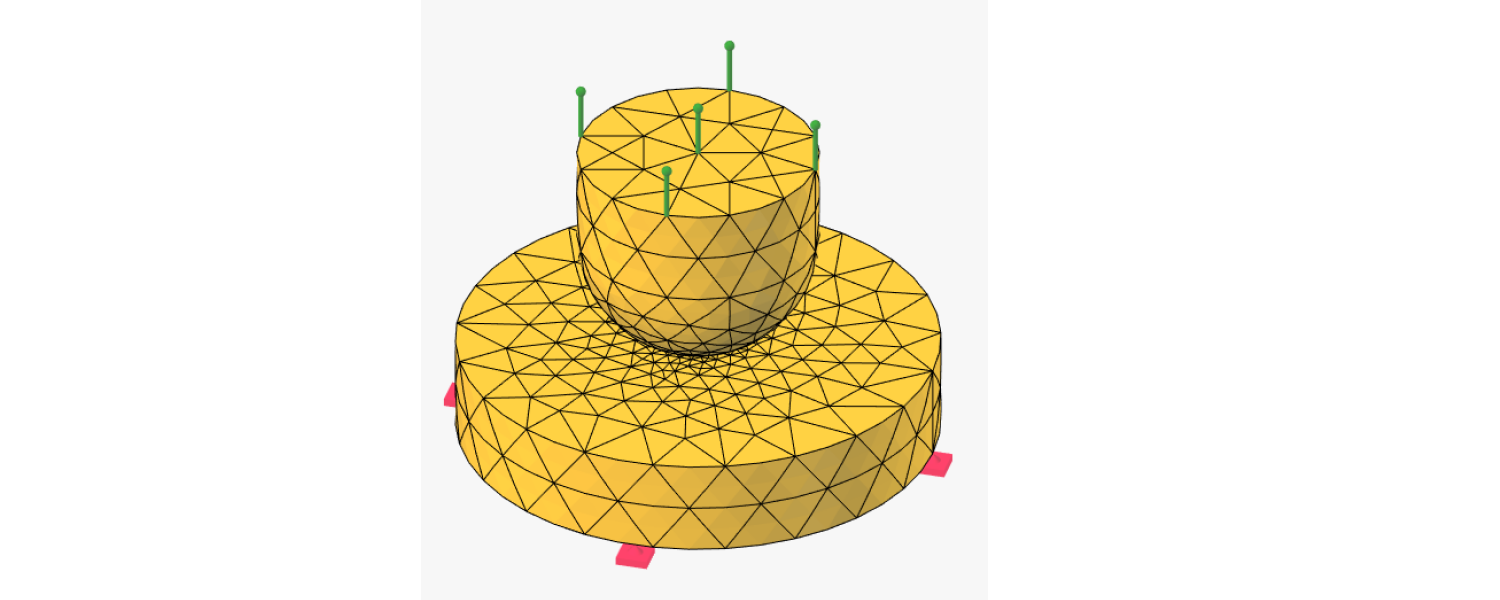
Introduction An essential idea in finite element modelling (FEM) is convergence, the idea that as you make the simulation more and more lifelike, its results will converge to the real-life stress state. In most simulations, which mainly use single-point or rigid-body constraints, the main variable that must be converged is element size: as you make the elements smaller and smaller, the simulation will become truer and truer to reality. In this case, the procedure to obtain convergence is fairly simple: run successive simulations reducing the element size each time — for example, by halving it until the results — …
-

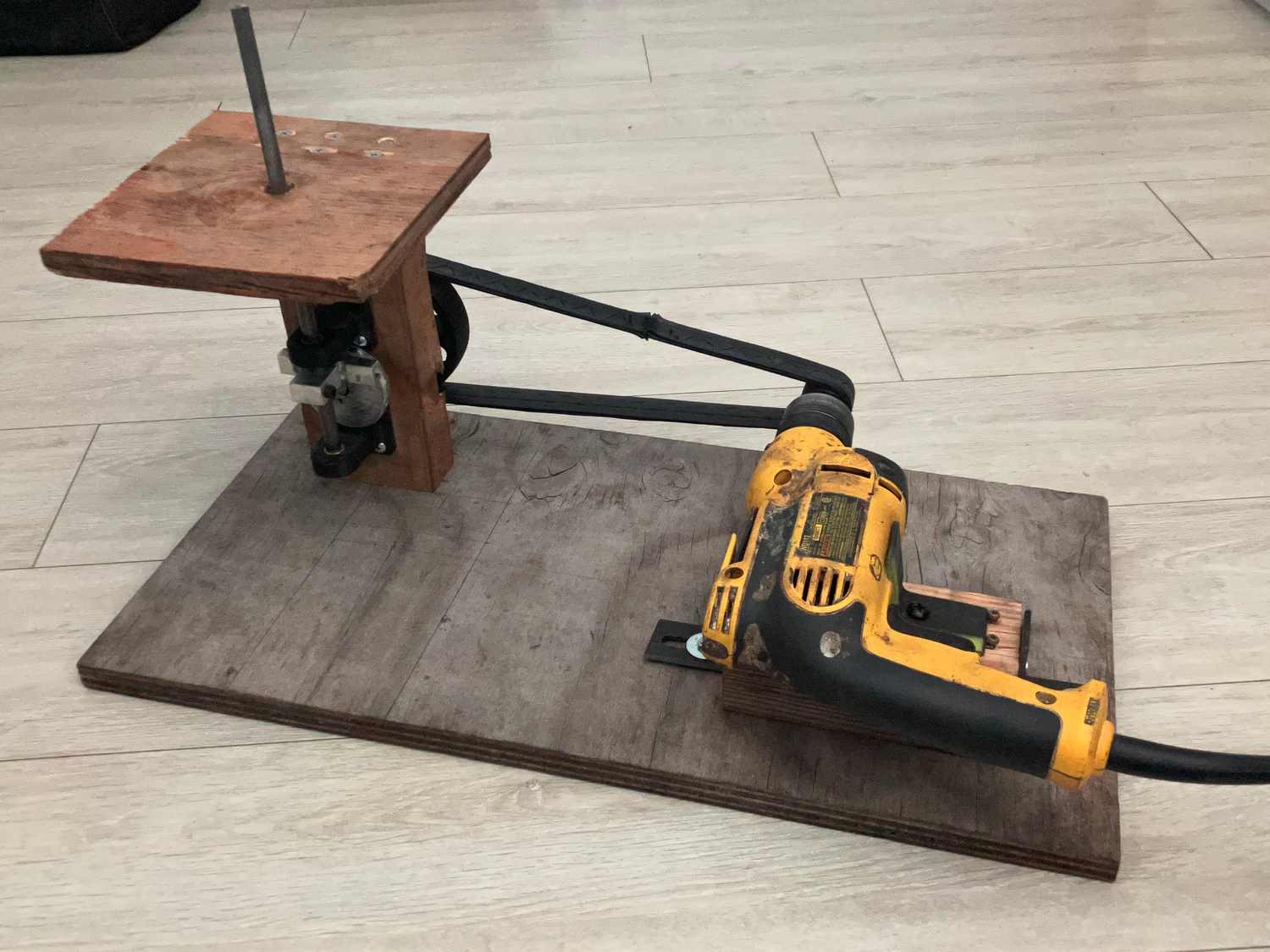
Summary I wanted a die filer Design loads and safety factors were chosen Calculations were done to verify that none of the parts would fail in operation The die filer was manufactured from wood, aluminium, and 3D-printed plastic. Introduction I’ve been wanting to make a die filer for some time now. It is a power-driven file that allows you to easily cut complex shapes. Die filers are not meant for a very high material-removal rate; rotary files and cold-chisels exist for that purpose. Design Parts of the Die Filer The file is run up and down on a “filing shaft”,…
-

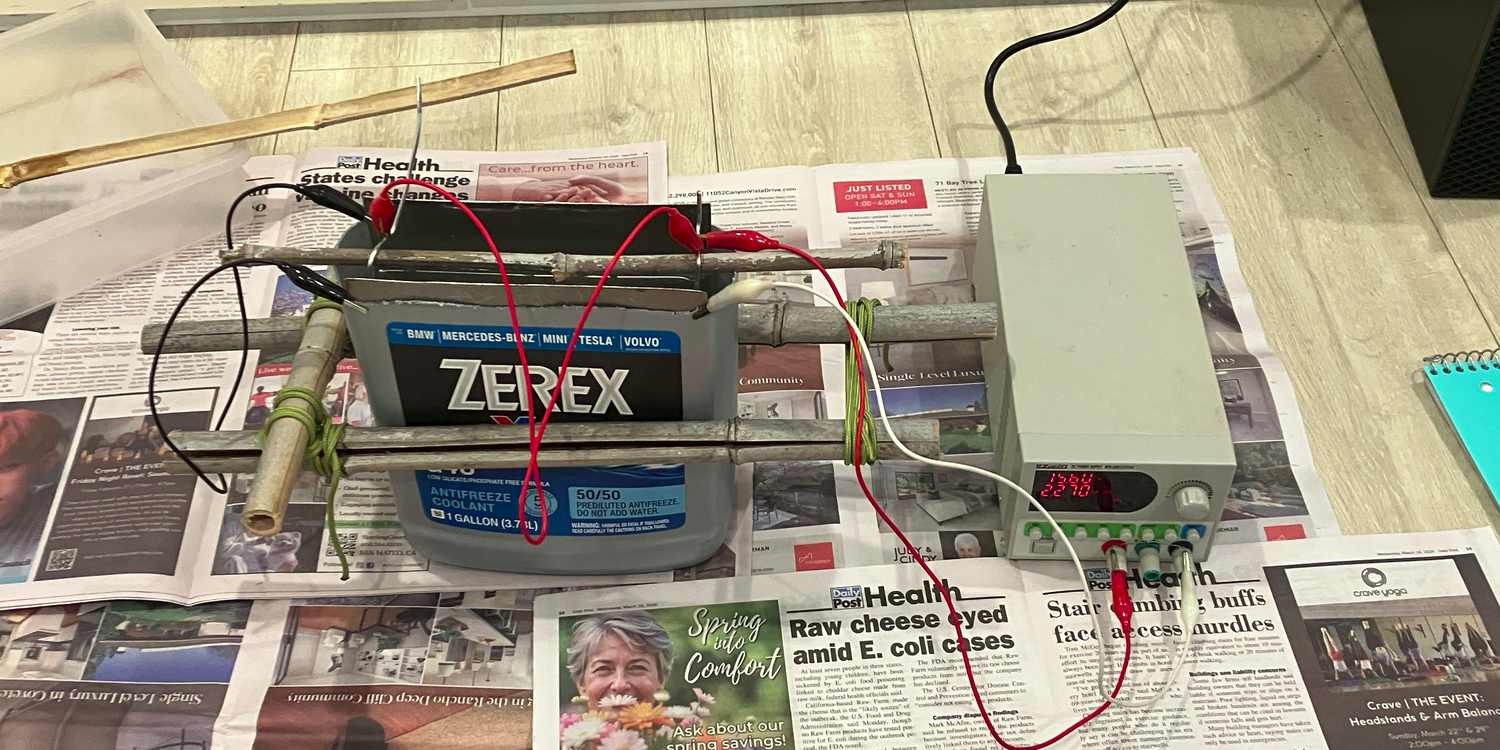
Summary I wanted to anodize aluminium parts at home, using a sodium bisulfate electrolyte An appropriate anodizing current density was found by experimentation An easy and effective way of racking parts was devised Cooling was found necessary during the anodization of high-surface-area parts Electrolyte acidity was measured by titration The anodized parts were dyed and sealed Introduction I’d previously done some experiments trying to anodize aluminium with household chemicals, avoiding the need to buy sulfuric acid. The only process that succeeded was to make sulfuric acid by the electrolysis of Epsom salt (magnesium sulfate) in a partitioned electrochemical cell, …
-
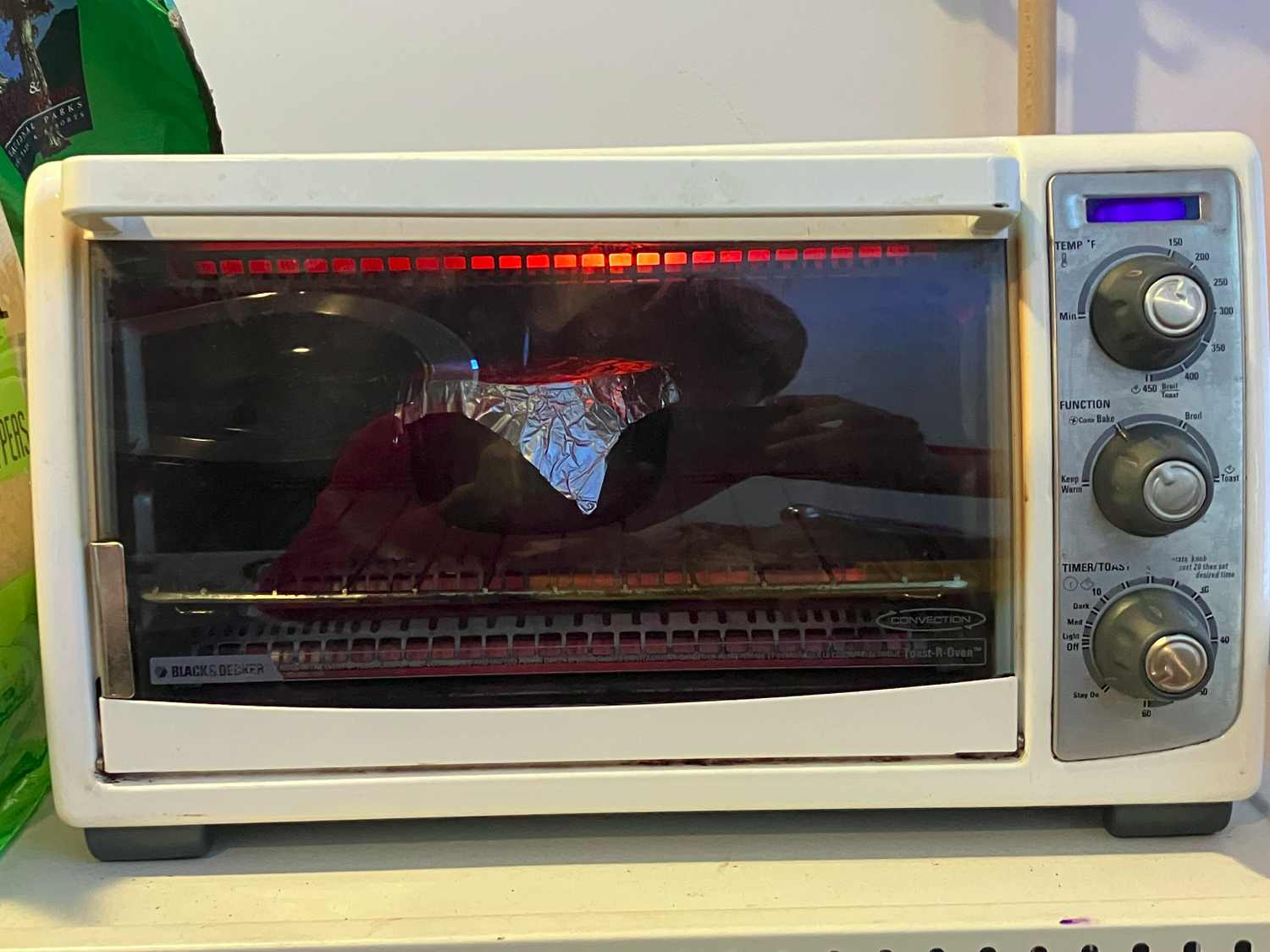
When a piece of dried clay is heated sufficiently, the water that is chemically bound to it is irreversibly driven off, and the clay particles bond covalently to each other. After this, the clay will no longer return to the plastic state if it gets wet. As it turns out, the temperature needed to dehydrate clays can be significantly lower than their firing temperature. According to this paper, it is between 400 °C and 600 °C for kaolins, but even lower for smectites — from 200 °C to 300 °C. Since the clay from my backyard is smectic, I was…
-

A problem I have struggled with in sand casting is mold tear-out. Even in patterns with generous draft angles, the sand very often gets torn out when the pattern is removed. Although charts of green sand mechanical properties versus moisture content, fineness, composition, etc. are available (for example in the US Navy’s Foundry Manual), the sand that I use is a bit different from industrial foundry sands in that it is much coarser, but has a higher proportion of binder, which is just clay soil from my backyard. I suspected that the binder may have been causing excessive pattern …
-
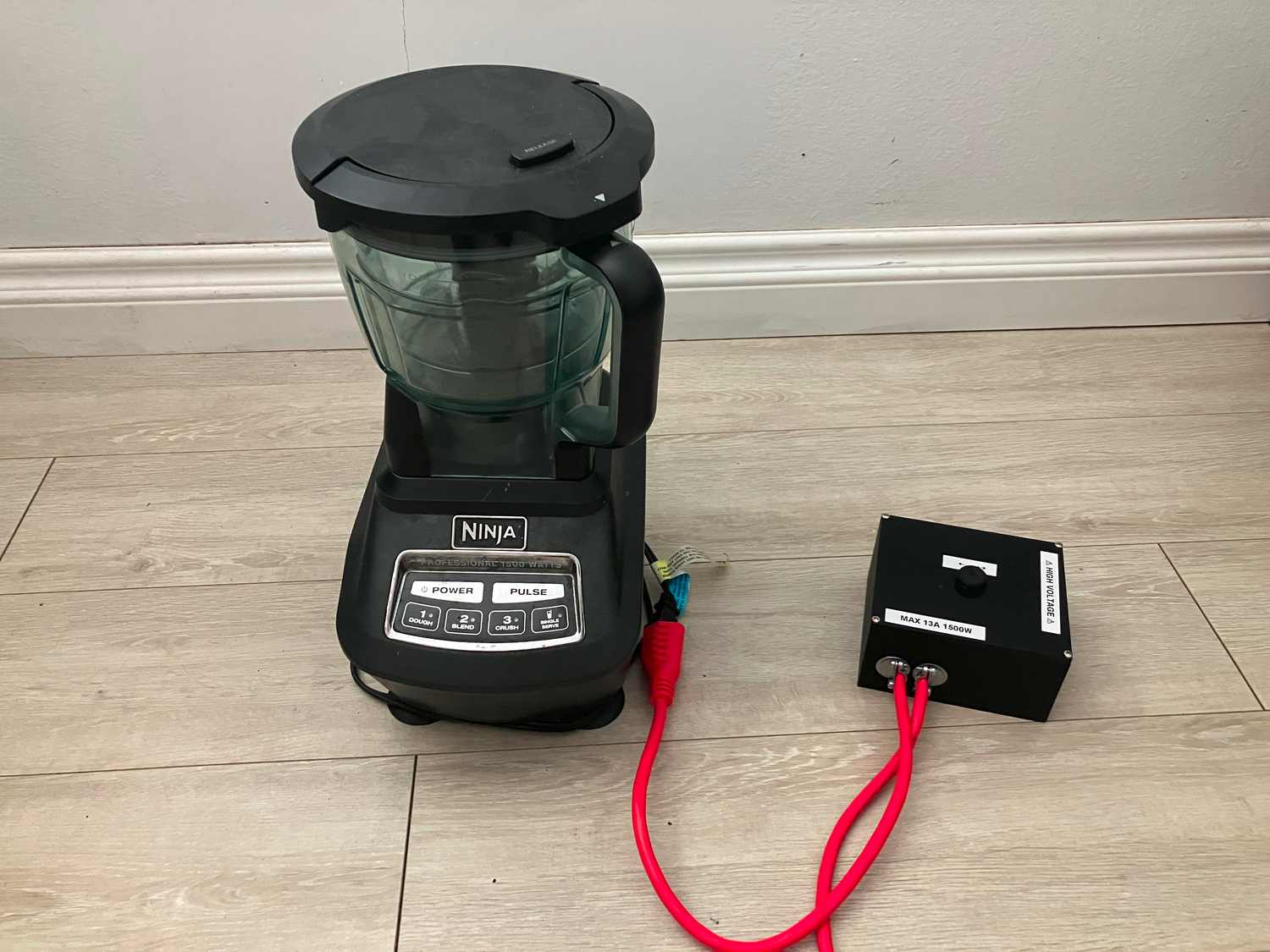
One of the greatest advantages of AC power over DC is the ability to change its voltage by way of a transformer. However, transformers are bulky and expensive, especially variable transformers that allow household AC voltage to be lowered to throttle various electronic devices. But you can cheat: instead of varying the voltage, you can switch the power on and off to “chop off” part of each AC half-wave, effectively varying the voltage (though the output is not perfectly sinusoidal), with results that are good enough for many applications. Theory I found this very helpful article describing most of the…
-

This was my 2025 Synopsys Science Fair project. Regrettably, I didn’t get to spend as much time as I’d have liked on it. Introduction Clay is an extremely important material because it is cheap (often literally dirt on the ground), durable, and easy to work by pressing, casting, or forming. However, drying clay parts presents challenges since the ideal drying rate is a balance between minimizing drying time and preventing uneven drying. This is particularly important for prototyping or experimentation where many iterations must be made in sequence. In practice, an ideal drying rate is difficult to obtain in ambient…

Category: Engineering Projects
Engineering is the systematic application of science and math to solve real-world problems. These projects are driven by theory, instead of randomly trying stuff out.