-

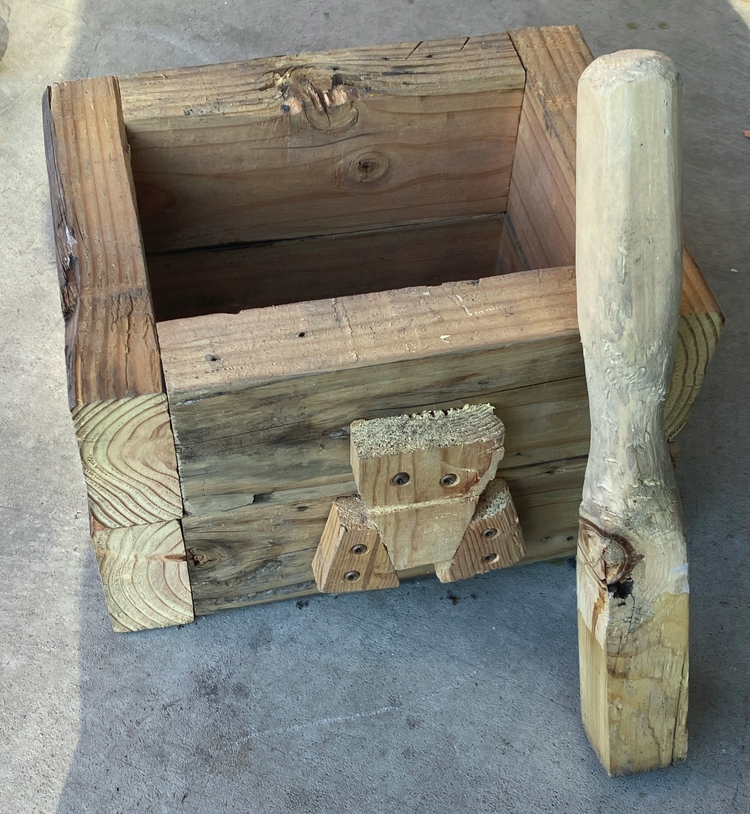
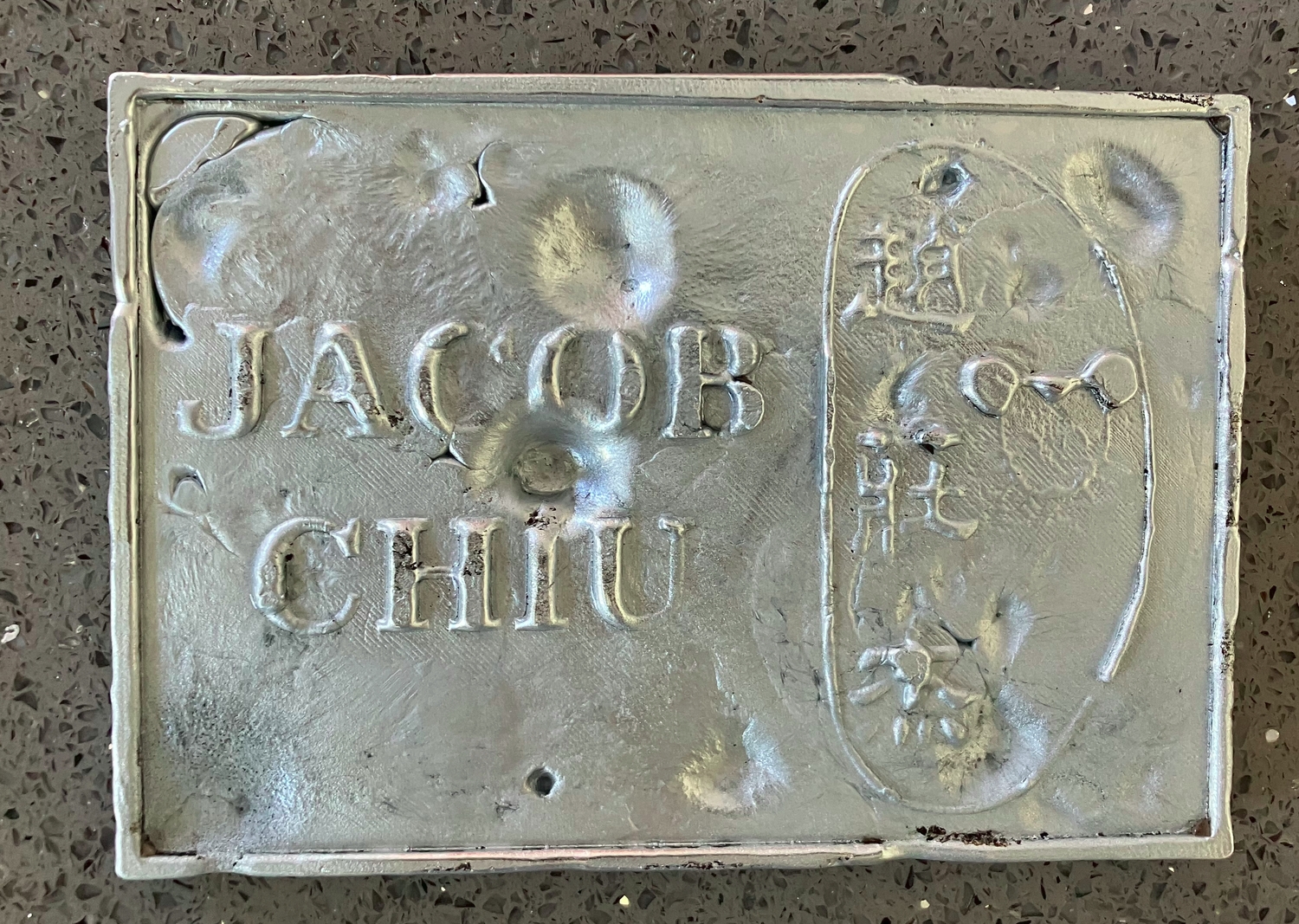
Introduction I have some dirt,I have some sand.Uh! Green sand. I poured zinc,into the green sand,Uh! Sand casting. (The PPAP song went viral when I was in elementary school and the funny lyrics made an impression on me. So here we are.) My previous attempt at casting focused on casting a detailed model with no draft, necessitating the time-consuming investment casting process. However, for simpler and properly drafted models, more rapid castings can be obtained with sand casting, though with a poorer surface quality. Materials and Tools One of the great benefits of sand casting is …
-

Introduction Where I live, the soil has a very high clay content, so I’ve tried a few times in the past to turn it into some usable clay-like material. Clay is easier to work with than metal and wood, can endure high temperatures unlike plastic, and is more durable. In my attempt to cast zinc, I simply mixed dirt with enough sand to prevent cracking and formed it into very simple molds that by virtue of their porosity were really temperature-resistant. (Seriously. I used this sand-dirt to make a tiny blowtorch-powered furnace and used it to melt copper. You …
-

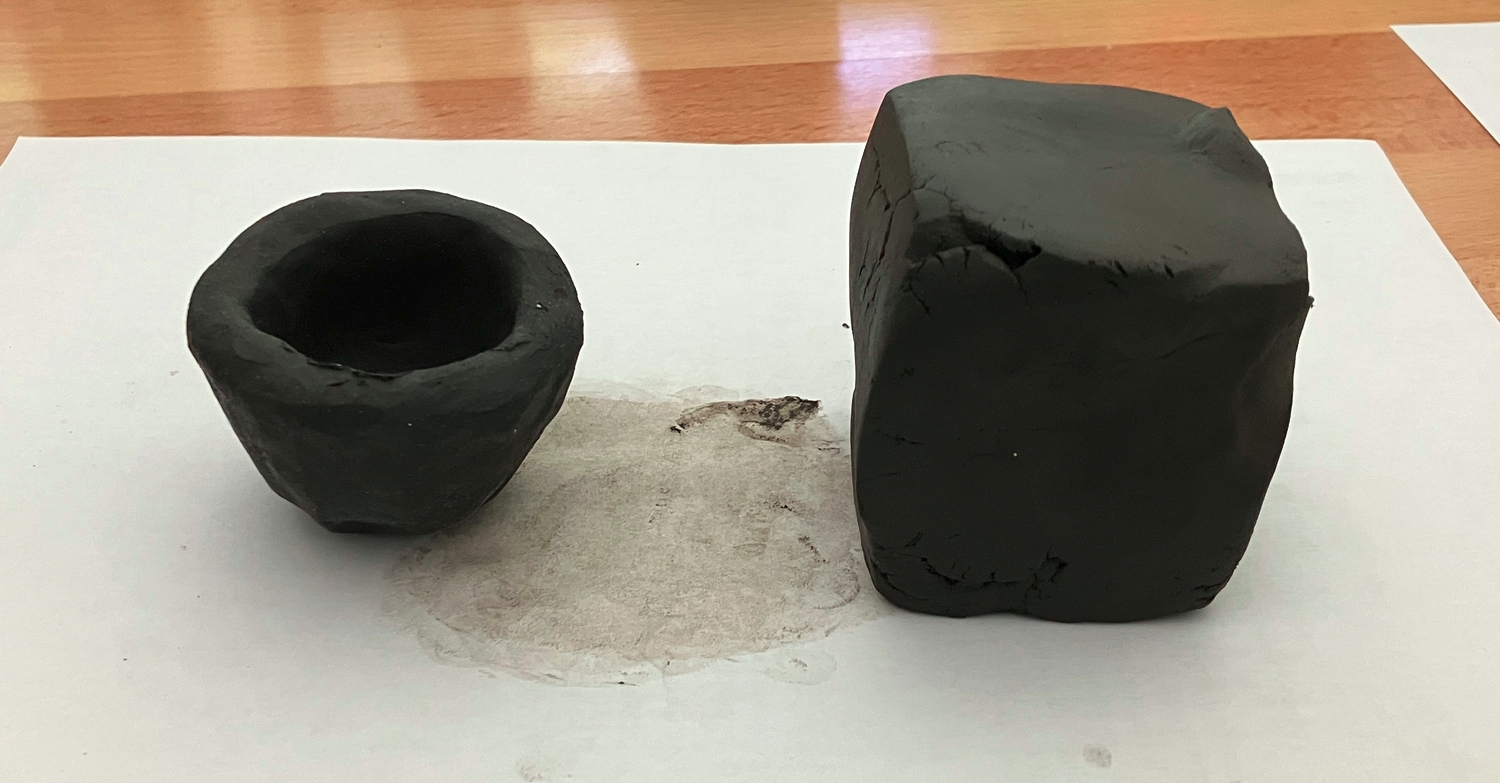
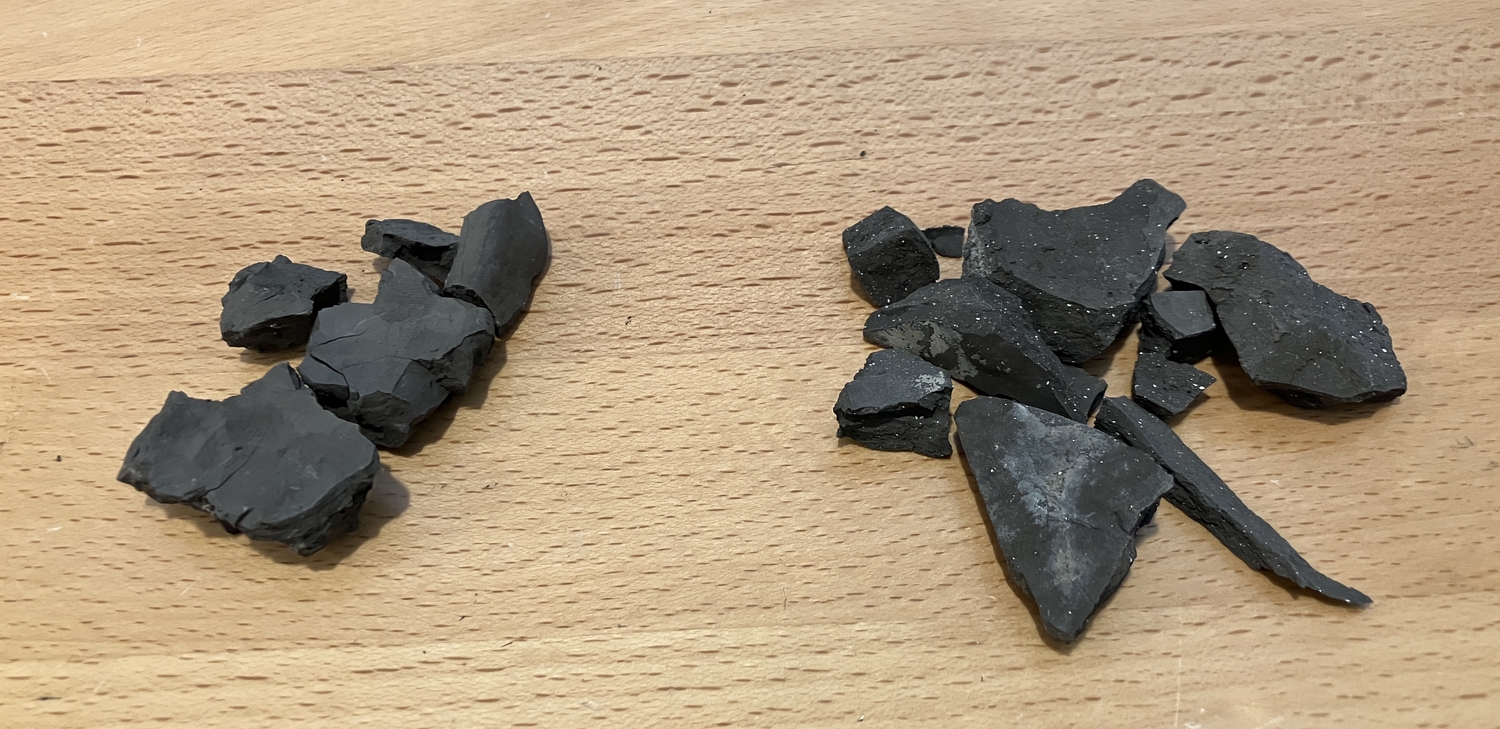
Introduction I’ve been trying to refine my backyard soil into some workable clay in order to further my metal casting project. As you can imagine, this comes with some challenges as not all clay, even when purified, is suitable for making stuff. In the case of the clay in my area, it’s very sticky and plastic, cracks when drying, and has low wet strength. Because of this, I’ve tried a few things to improve its working properties, with some success and some failure. I started by creating a light slurry of dirt and water to separate the clay, which …
-

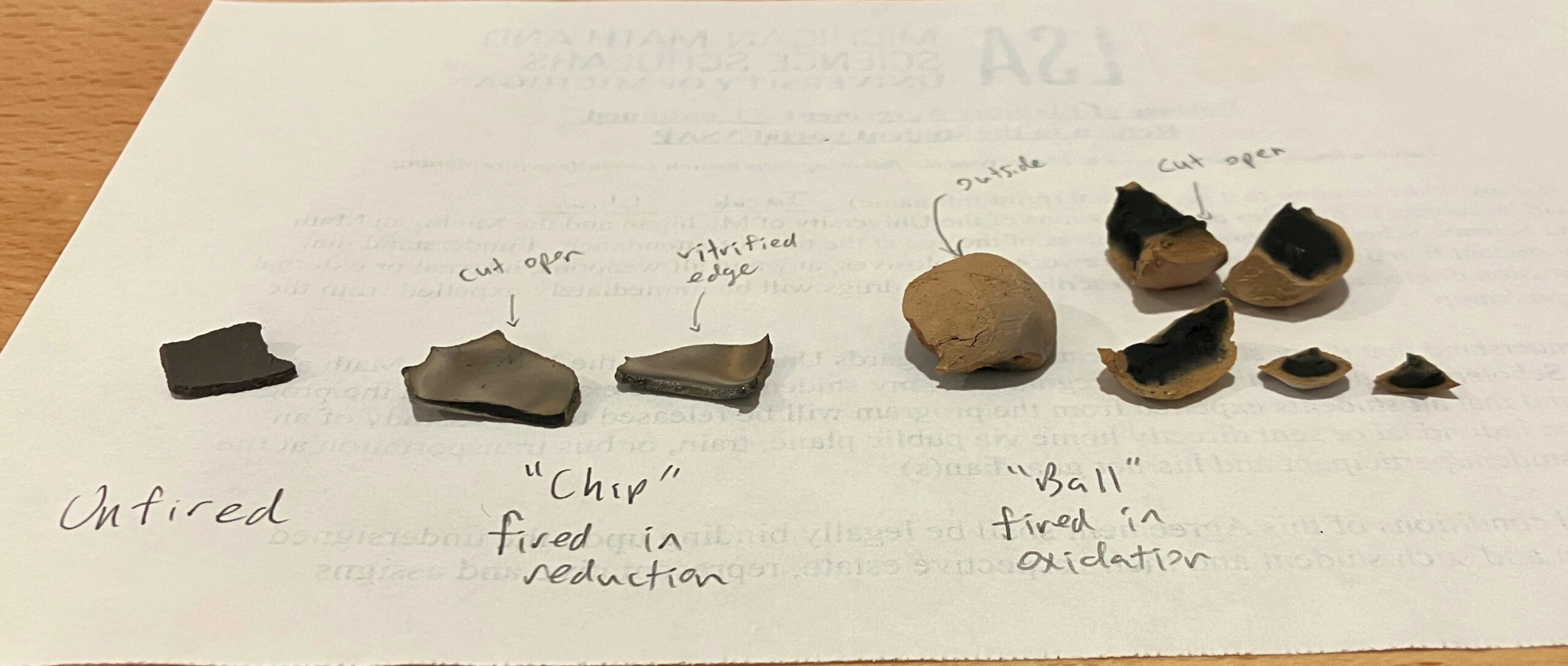
Introduction Lately, when not crushed under the tedium of self-studying two AP exams, I’ve been trying to refine the clay soil from my backyard into clay. A post about that is coming. This post is about an interesting effect I noticed today as I test-fired pieces of clay. Basically, clays often contain iron oxides (compounds containing different ratios of iron and oxygen with distinct properties) as an impurity, which gives them their color. Depending on whether the kiln’s atmosphere is oxidizing or reducing, these oxides can be transformed into one form or another during firing, changing the surface color of…
-

Disclaimer The methods described in this post worked for me. There are many factors that affect whether or not any of this may work for you, but two big ones are weather and soil conditions. Here in Palo Alto, we have clay soil and the weather is hot and dry, at least in the summer. The molds that I’m making are one-part molds, which tend to be simpler, but these methods probably apply to two-part molds as well. Also, I am casting with zinc, a low-temperature, runny metal that takes well to casting. Also, a note about safety: although zinc…

Tag: Casting
Learning how to cast metal.